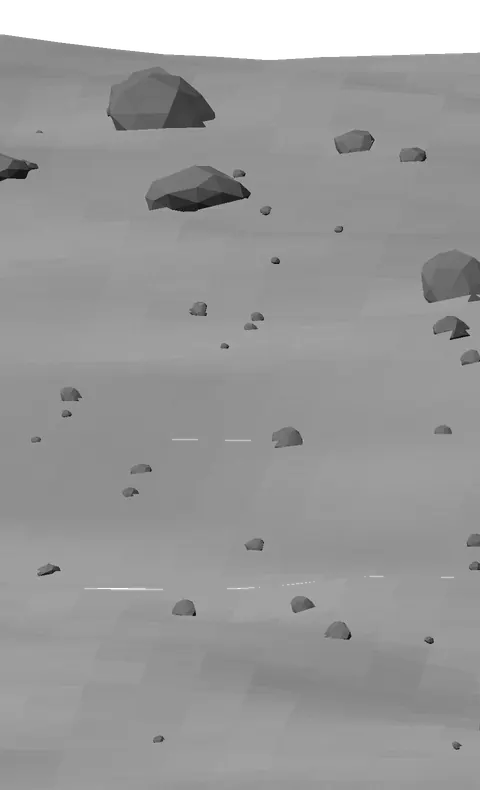
Seismic exploration
Develop concepts for active and passive exploration of the shallow subsurface on planetary bodies.
Seismology

Scroll to explore
01 / The research
NEPOS investigates concepts for active and passive near-surface seismic exploration on planetary bodies, with particular attention to the Moon. Research questions include the wavefield effects of ice-bearing rocks and subsurface cavities in strongly scattering environments.
The project connects seismology, experimental design and robotics. We study source–receiver configurations, mobility and automated data analysis, working towards subsurface imaging with quantified uncertainties.
Ground-motion observations on planetary objects are a prerequisite for a detailed understanding of their interior structure and evolution. The imaging of the near surface structure - in particular on the Moon - has strong practical implications. First, the race is on to detect ice-bearing rocks near the surface from which water could be extracted and used as a resource for crewed missions. Second, due to the substantial bombardment of the lunar surface with meteorites and the lack of an atmosphere, observatories or habitats may have to be built underground. It has been proposed that cavities from ancient lava flows below the lunar surface could be used to place infrastructure. Current mission plans for geophysical exploration focus on static seismic sensors/arrays that would be restricted to the area they can explore.
With the NEPOS project we want to go beyond these restrictions and develop concepts for mobile seismic arrays that work in an autonomous way using robotic technology. A specific focus of this project is on aspects of experimental design and optimization, search and mobility aspects, and the automated seismic data processing and analysis.
The scientific challenges include the understanding of wavefield effects of icy rocks and caves in a strongly scattering environment, the provision of optimal source-receiver configurations to detect them, as well as an integrated data-processing workflow from observation to subsurface image including the quantification of uncertainties.
The outcome will be detailed technical specifications that can support the next level of development in terms of network agent hardware, IT components, and software implementation of the entire system in future missions.
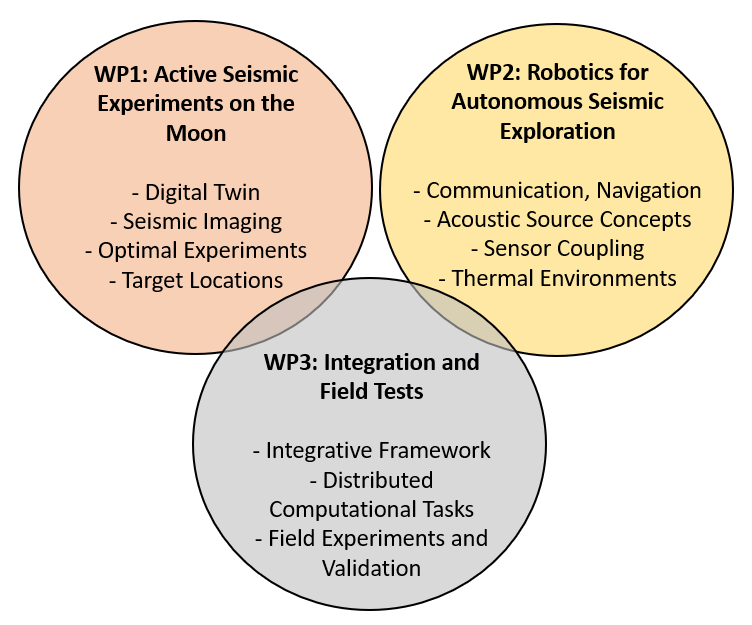
Develop concepts for active and passive exploration of the shallow subsurface on planetary bodies.
Develop concepts for autonomous, mobile sensor arrays and optimise source–receiver configurations.
Develop near-surface imaging strategies for strongly scattering environments and quantify uncertainties.
By loading this video, you consent to connecting to YouTube (Google), which receives your IP address and device data and may use cookies or similar storage. Data may be processed outside the EU. Google privacy policy · YouTube terms. This is optional. Privacy notice. Withdraw consent for this player at any time using “Withdraw consent & close”. This stops the player but cannot undo data already sent.
02 / From the field
By loading this video, you consent to connecting to YouTube (Google), which receives your IP address and device data and may use cookies or similar storage. Data may be processed outside the EU. Google privacy policy · YouTube terms. This is optional. Privacy notice. Withdraw consent for this player at any time using “Withdraw consent & close”. This stops the player but cannot undo data already sent.
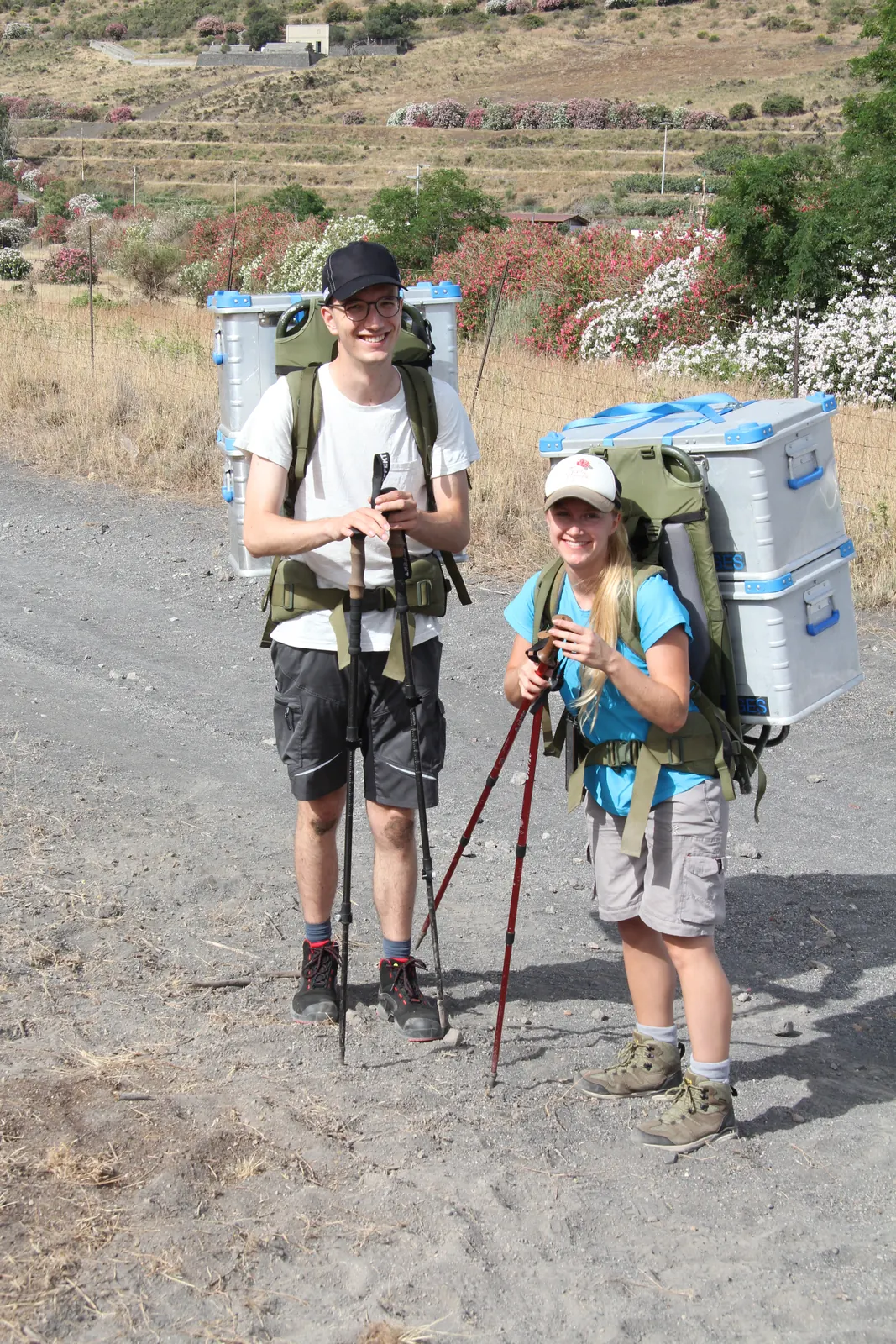
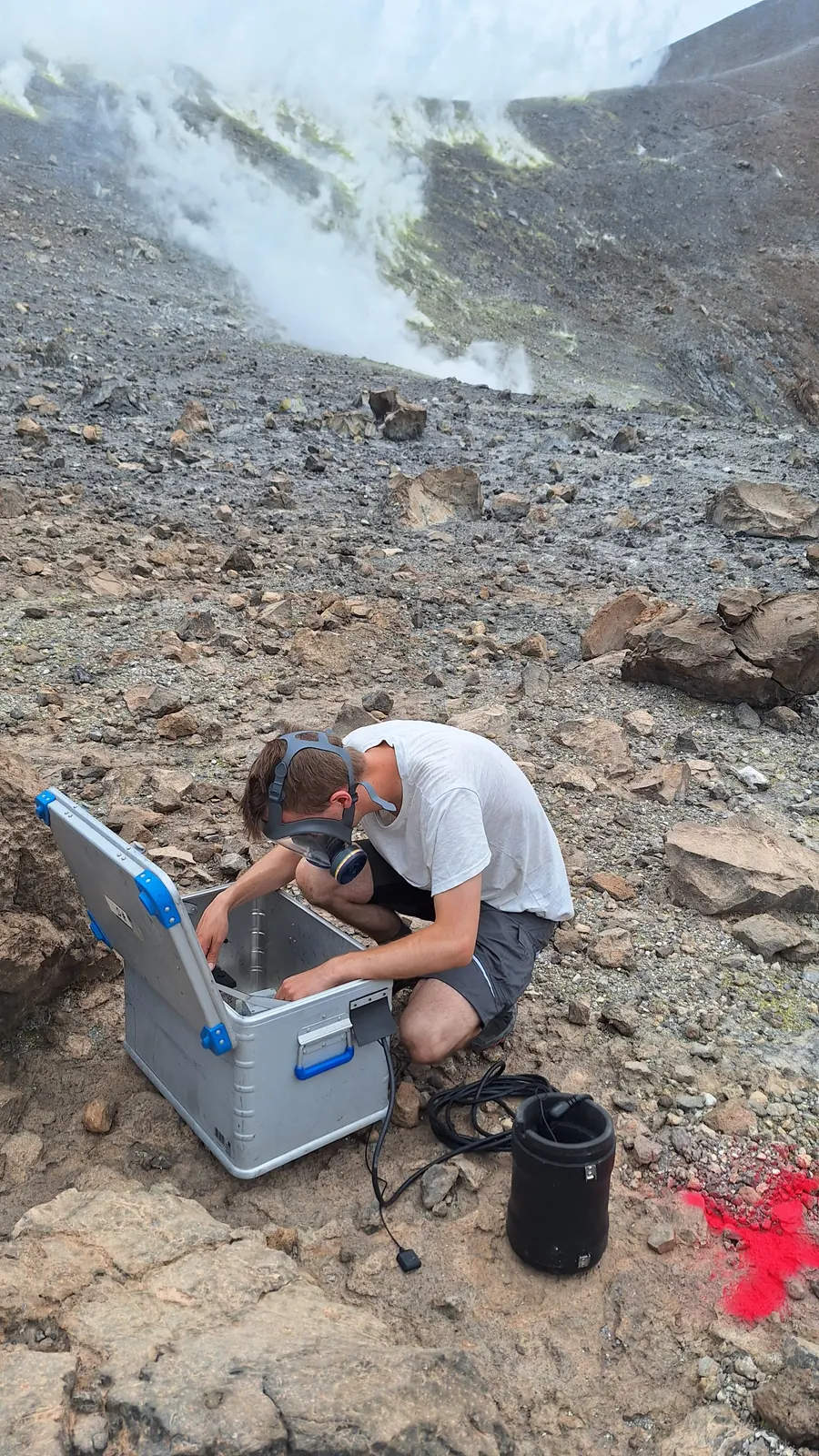
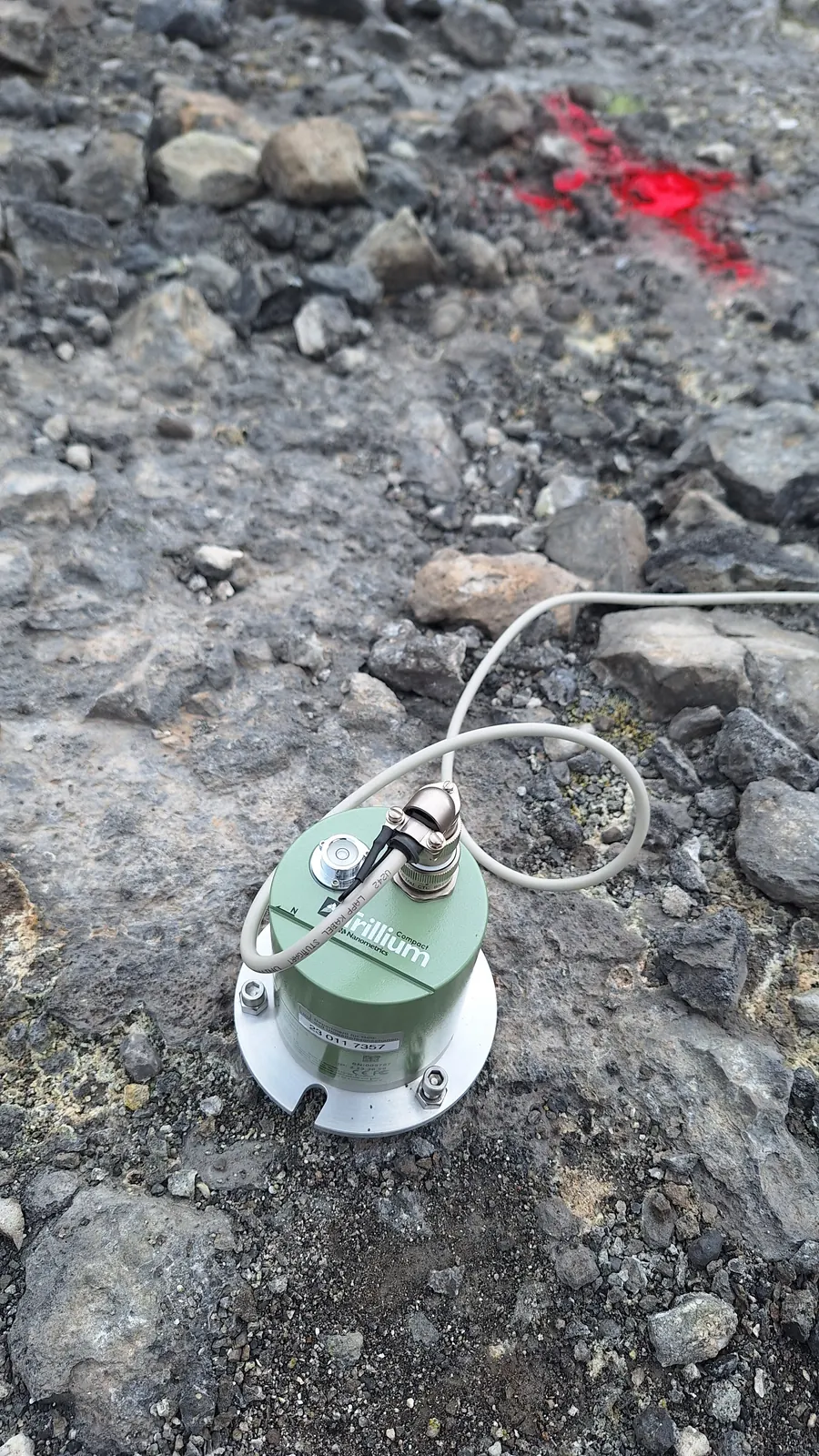
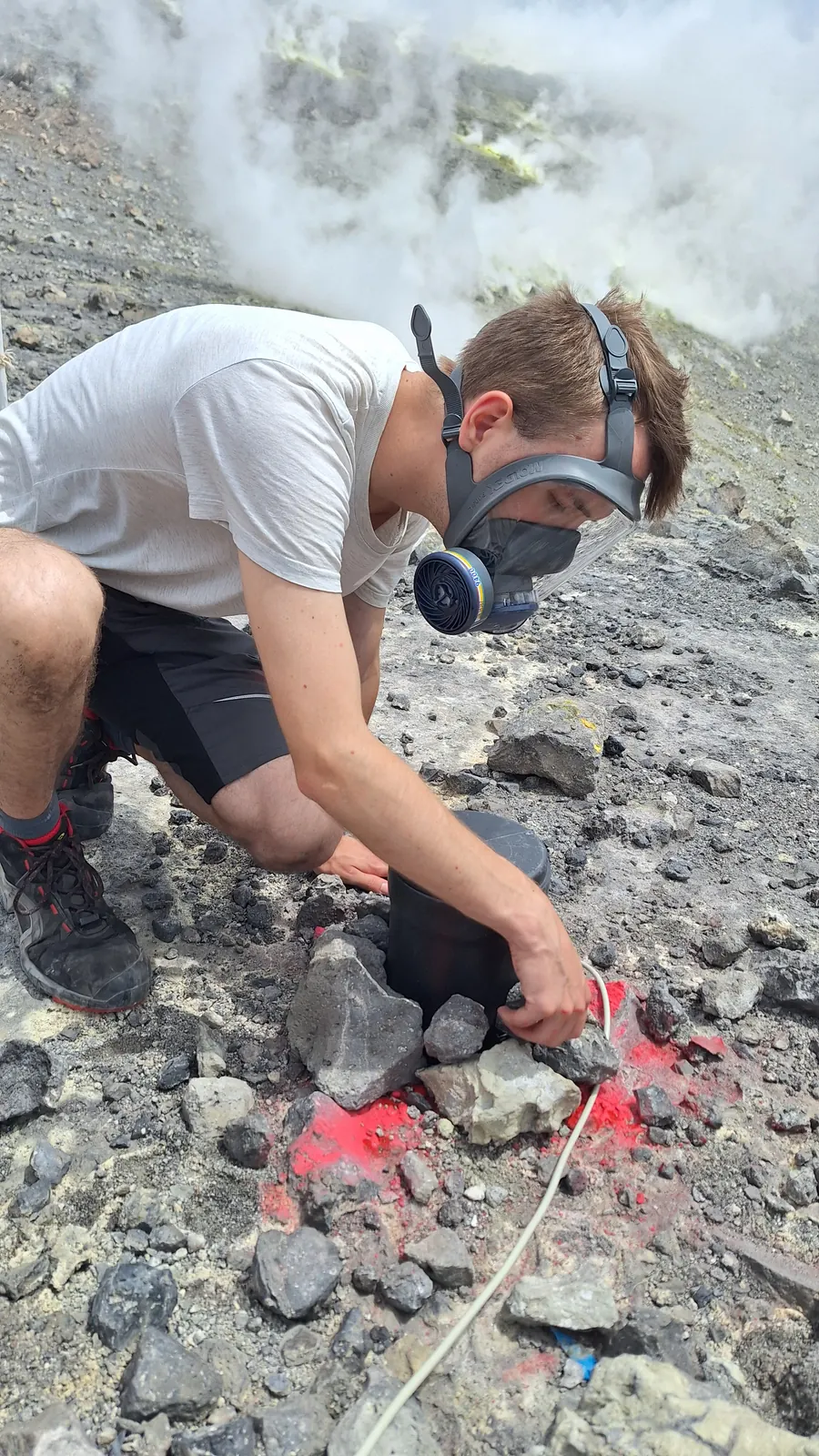
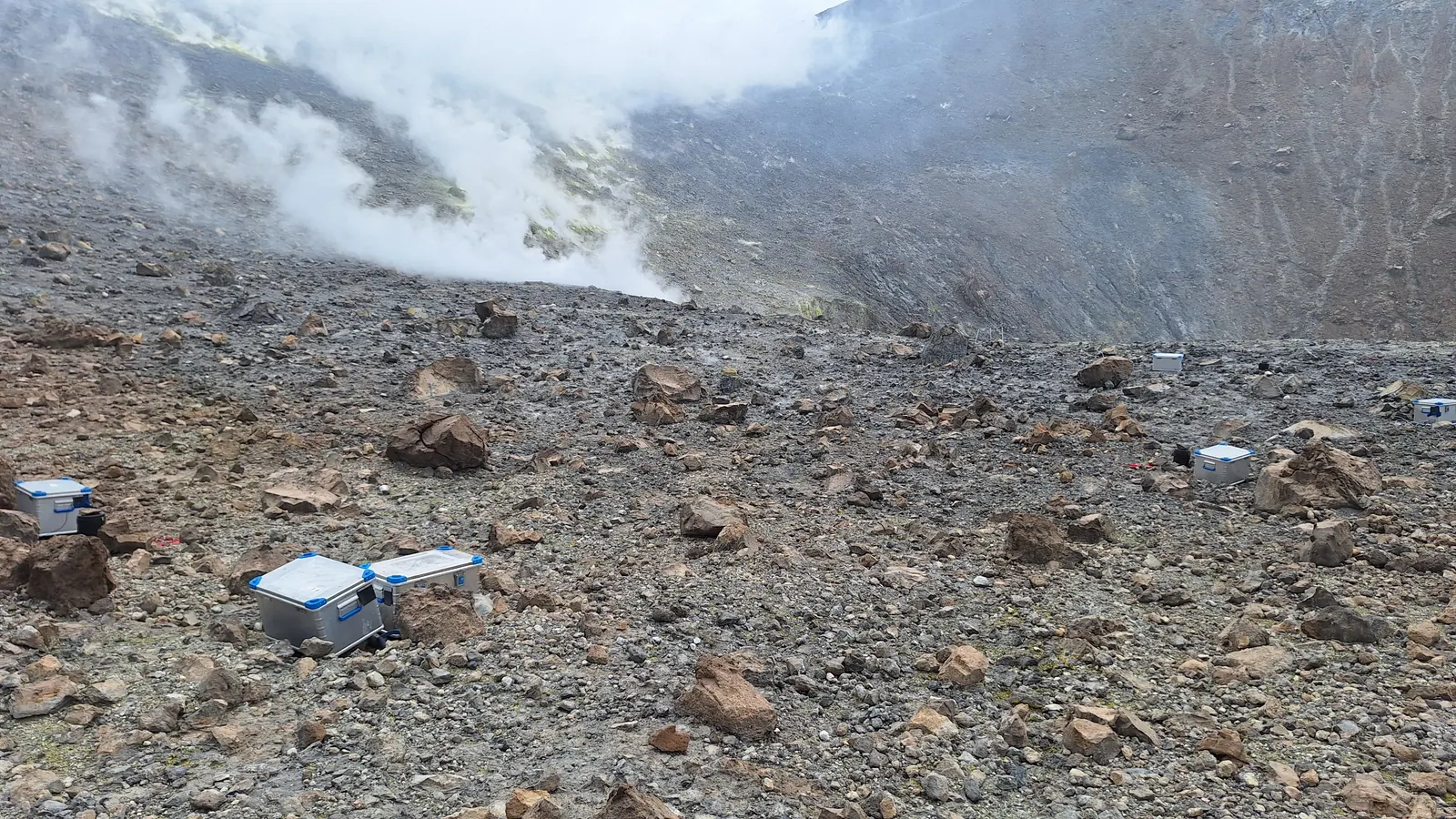
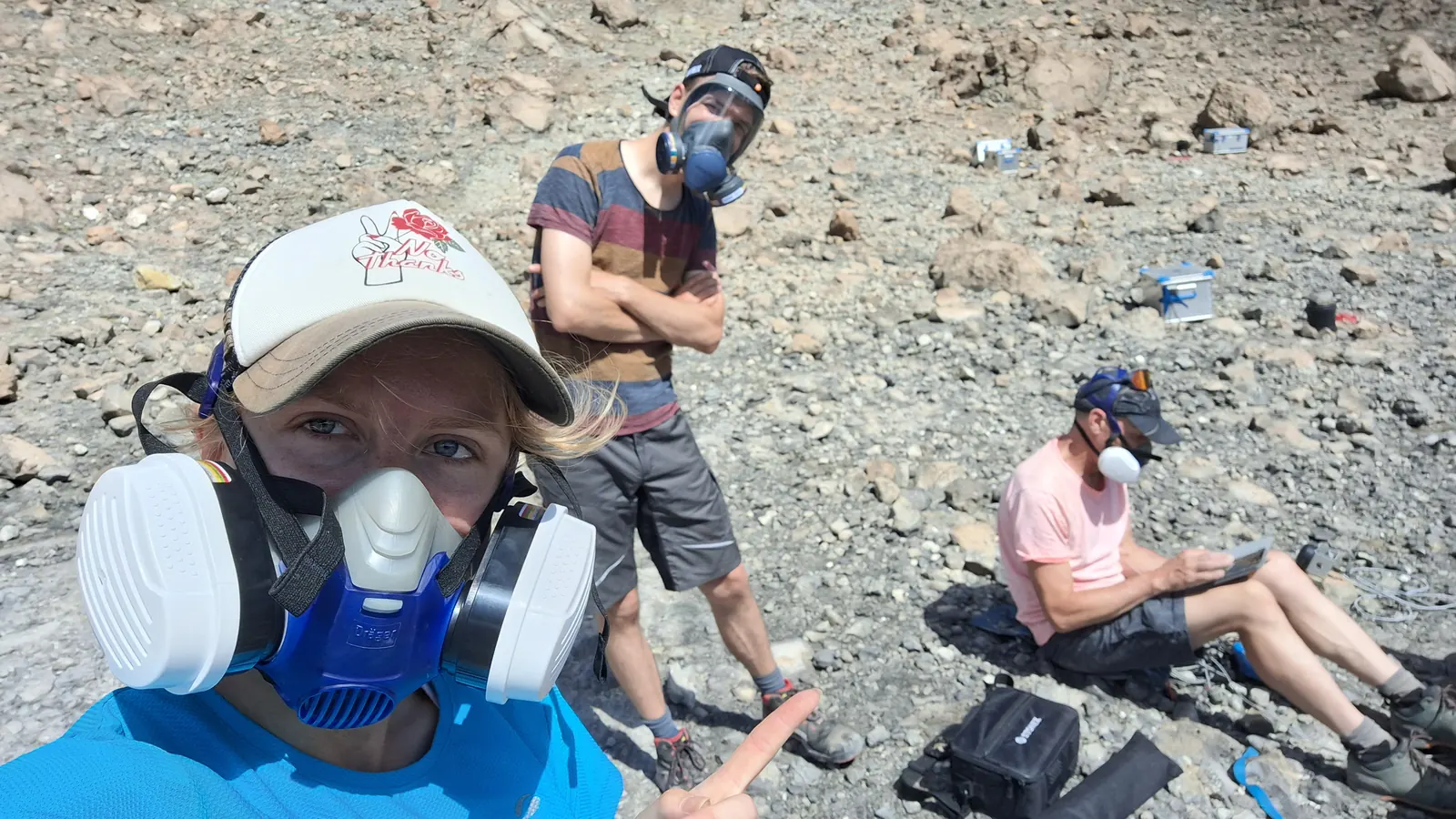
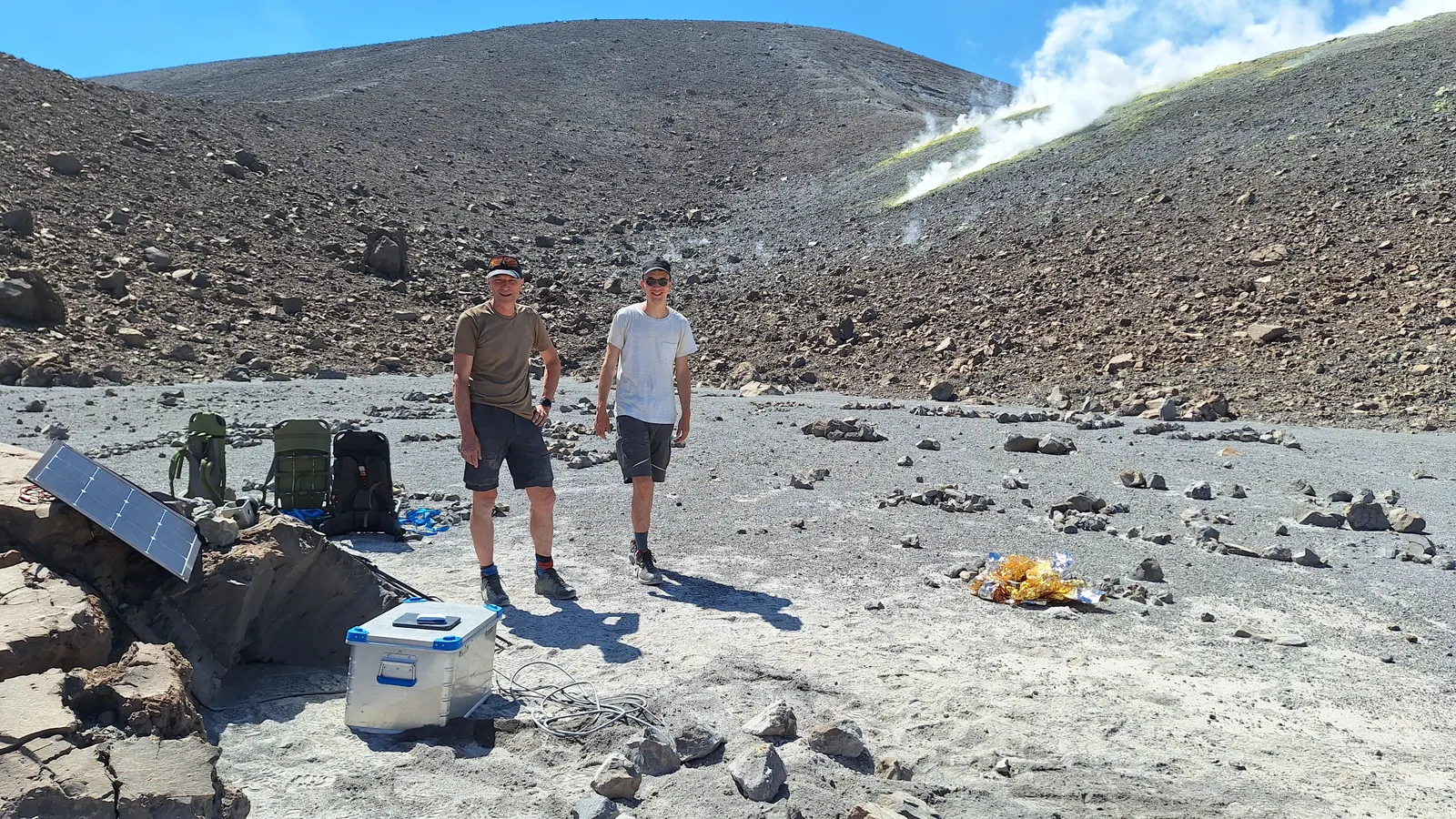
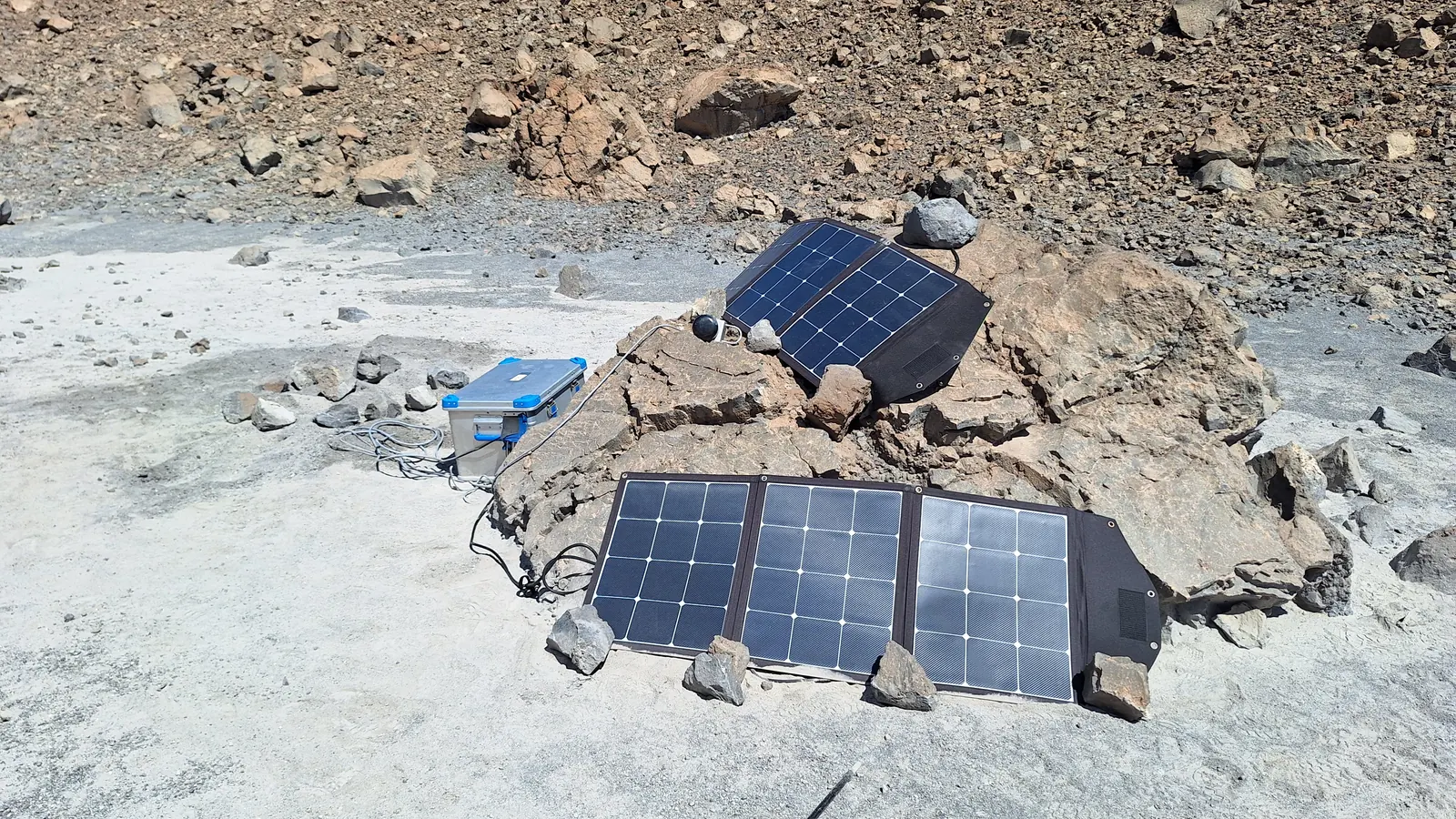
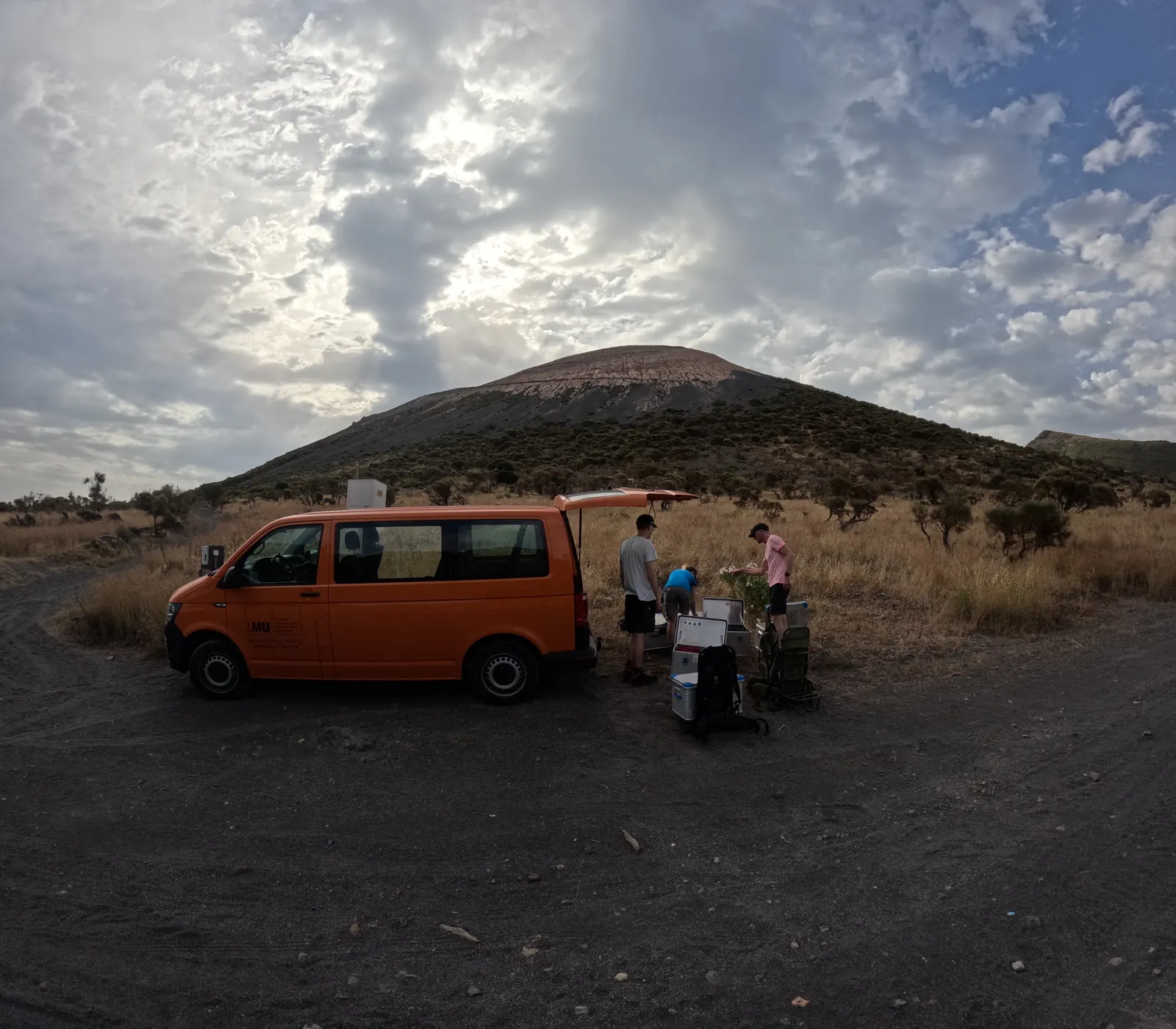
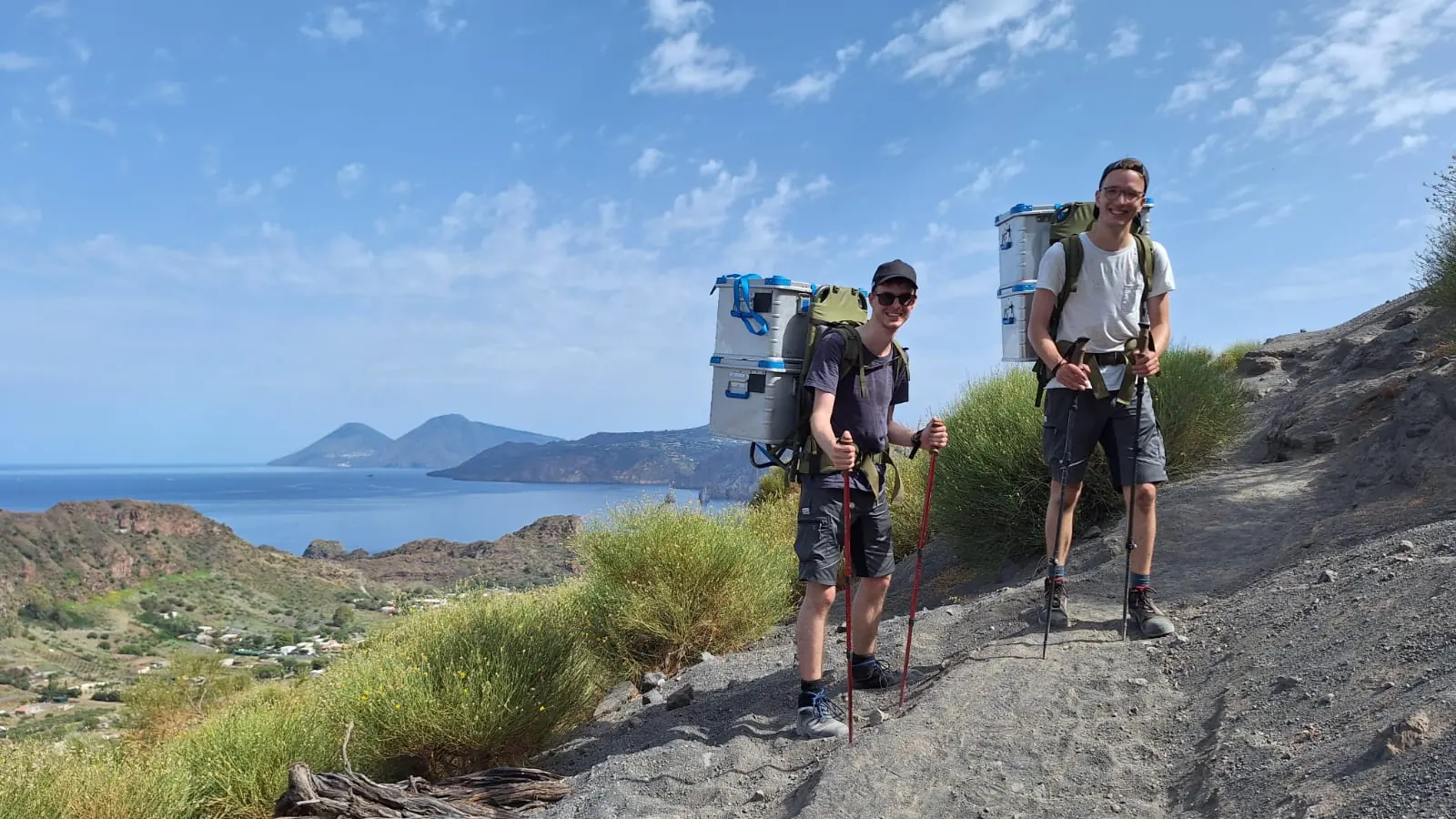
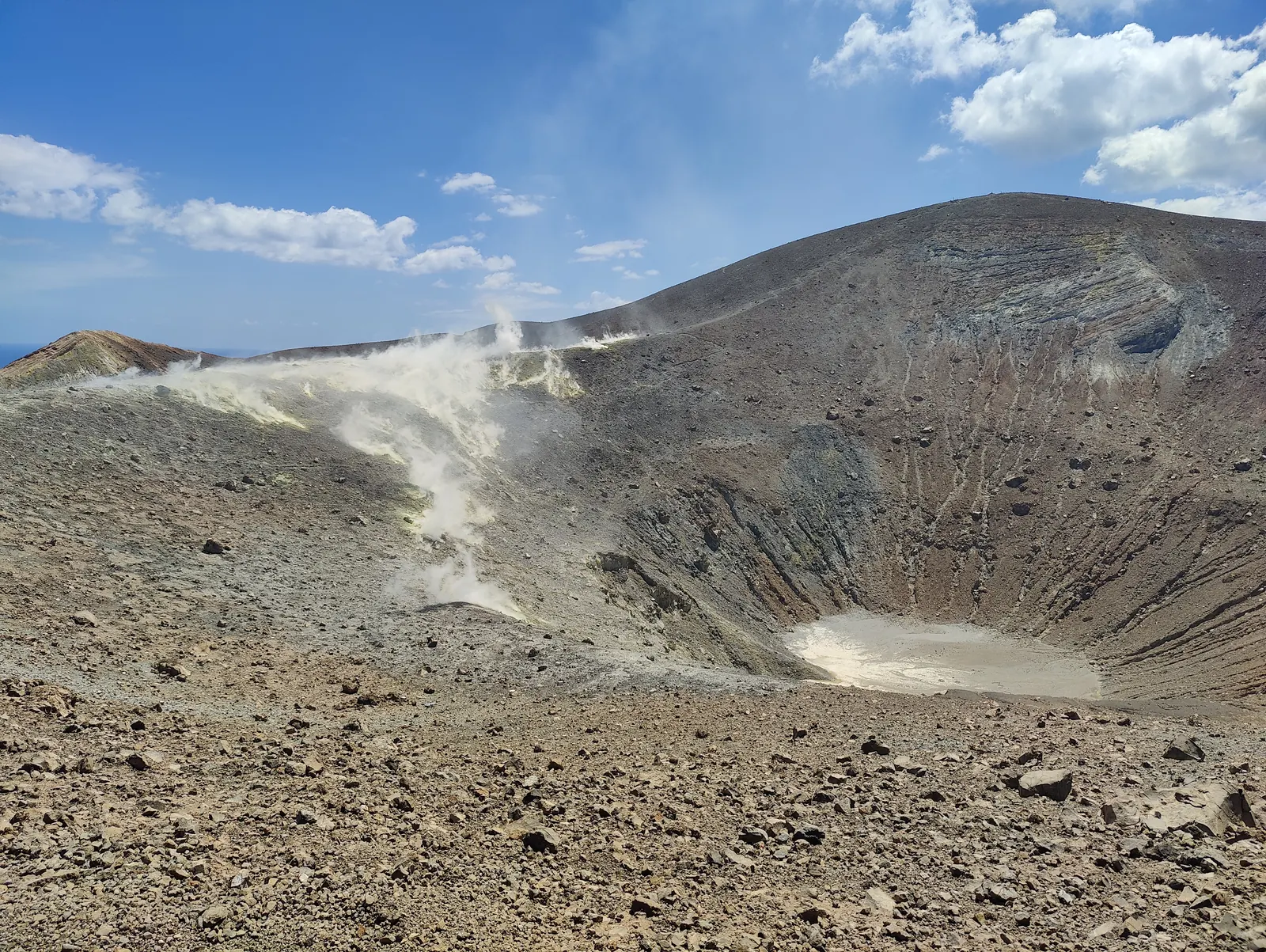
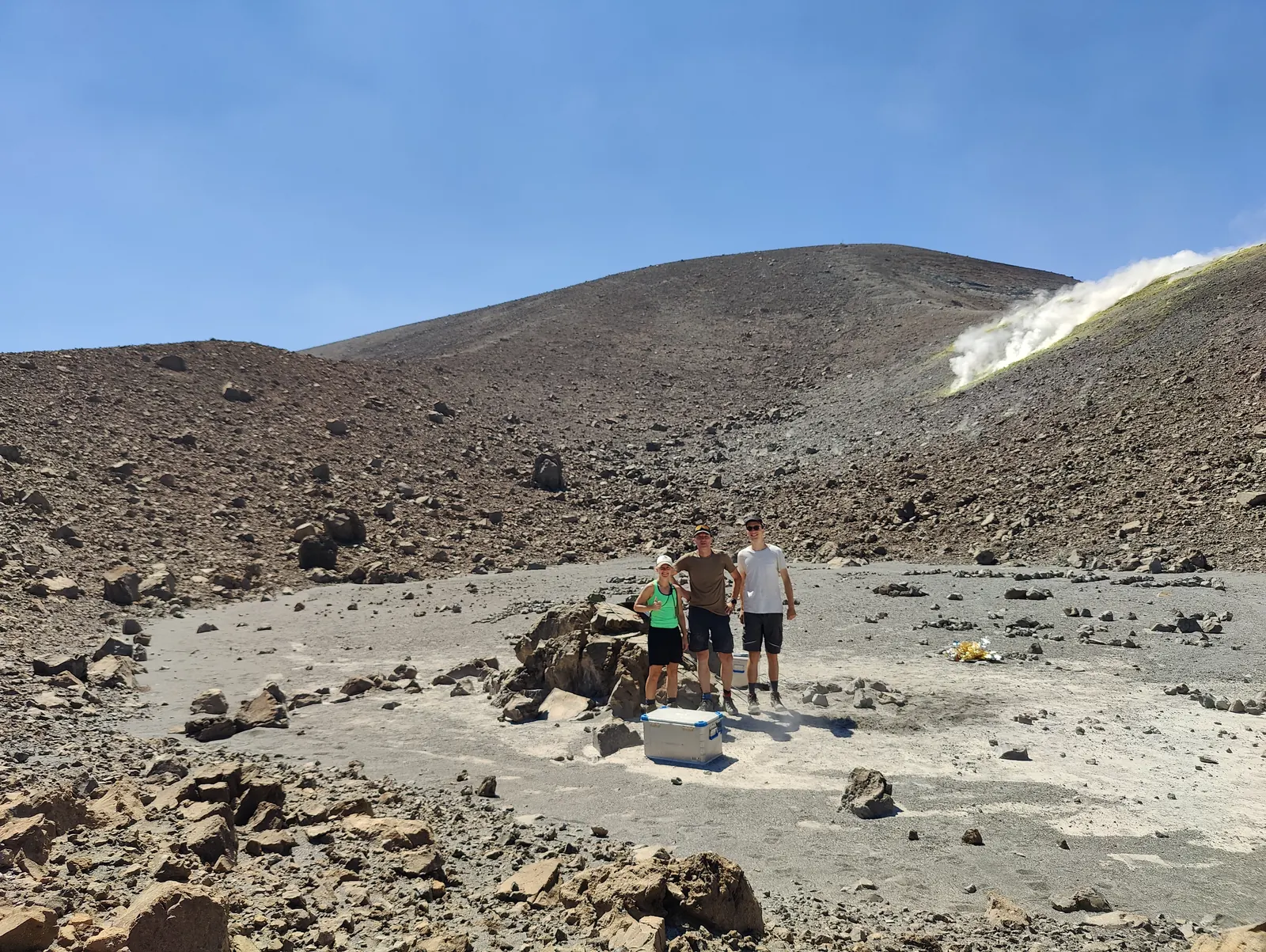
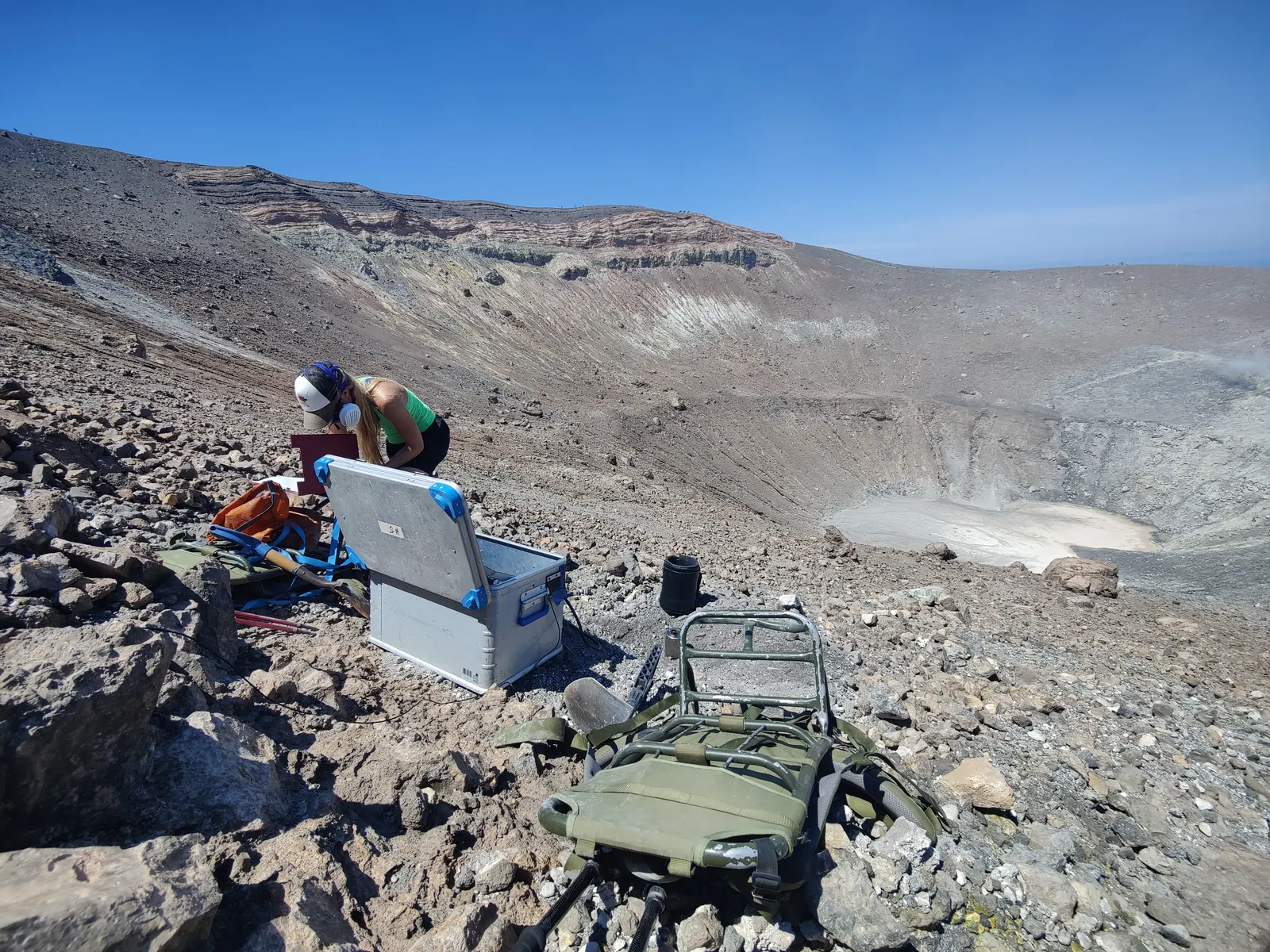
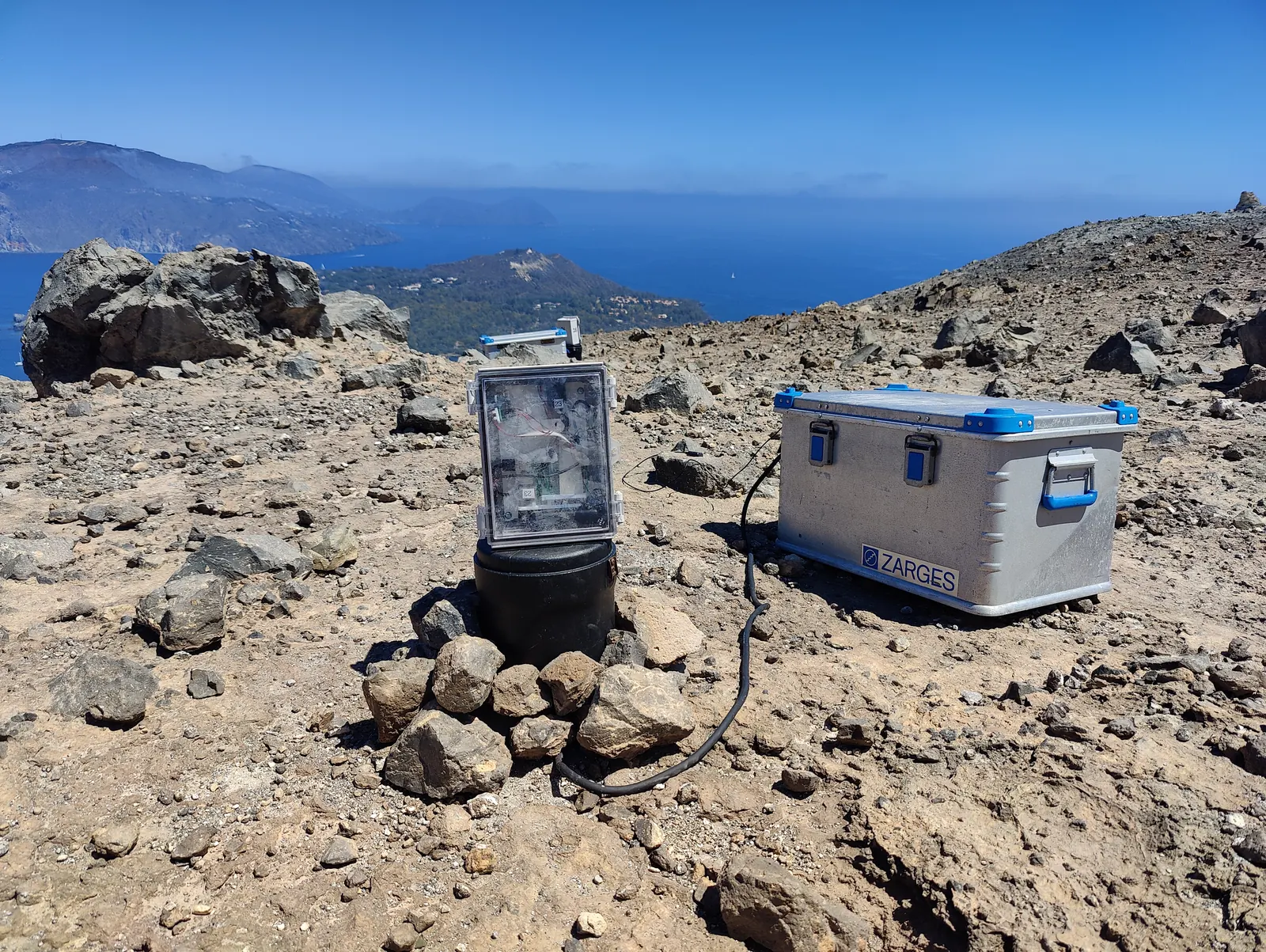
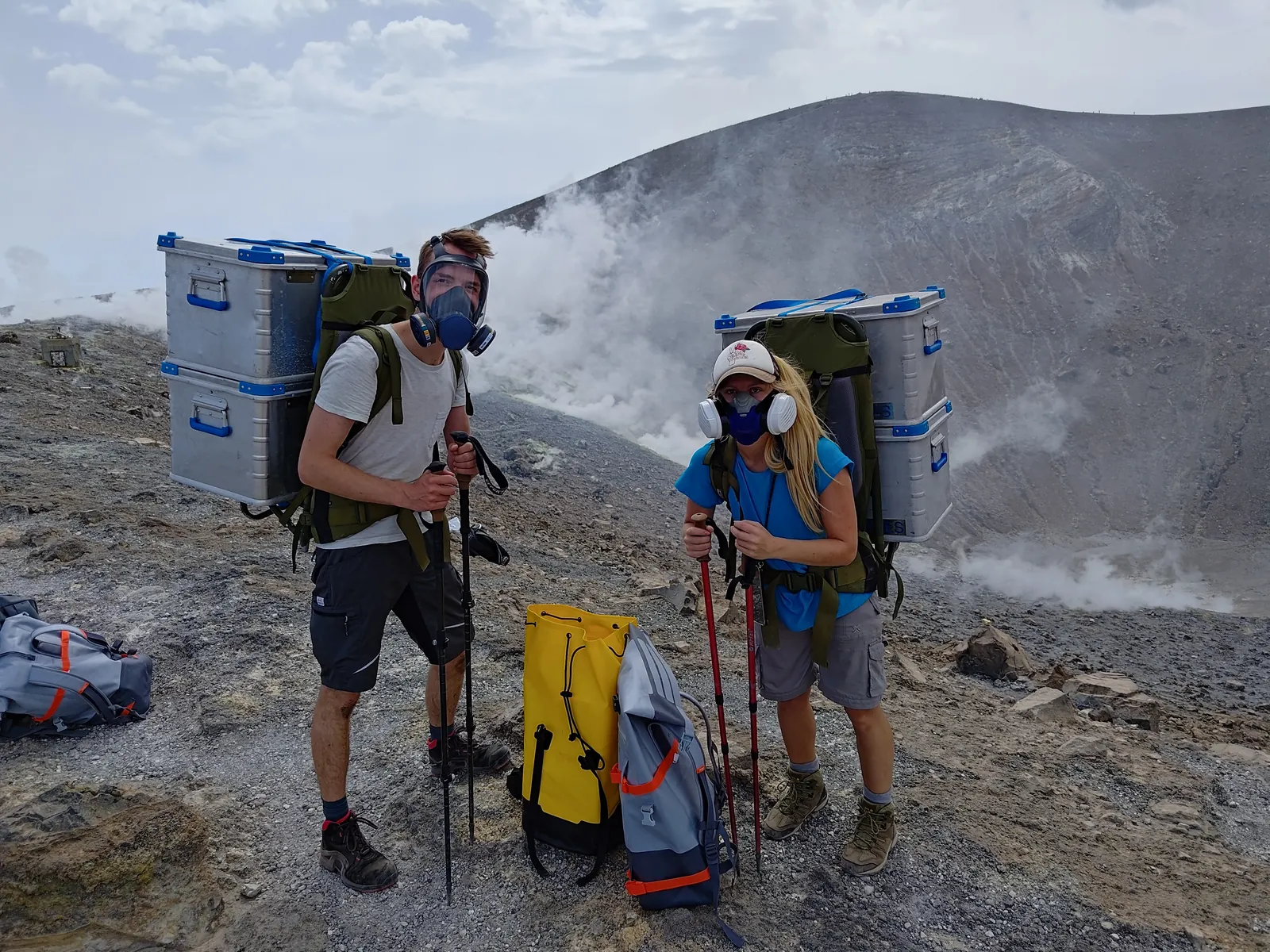
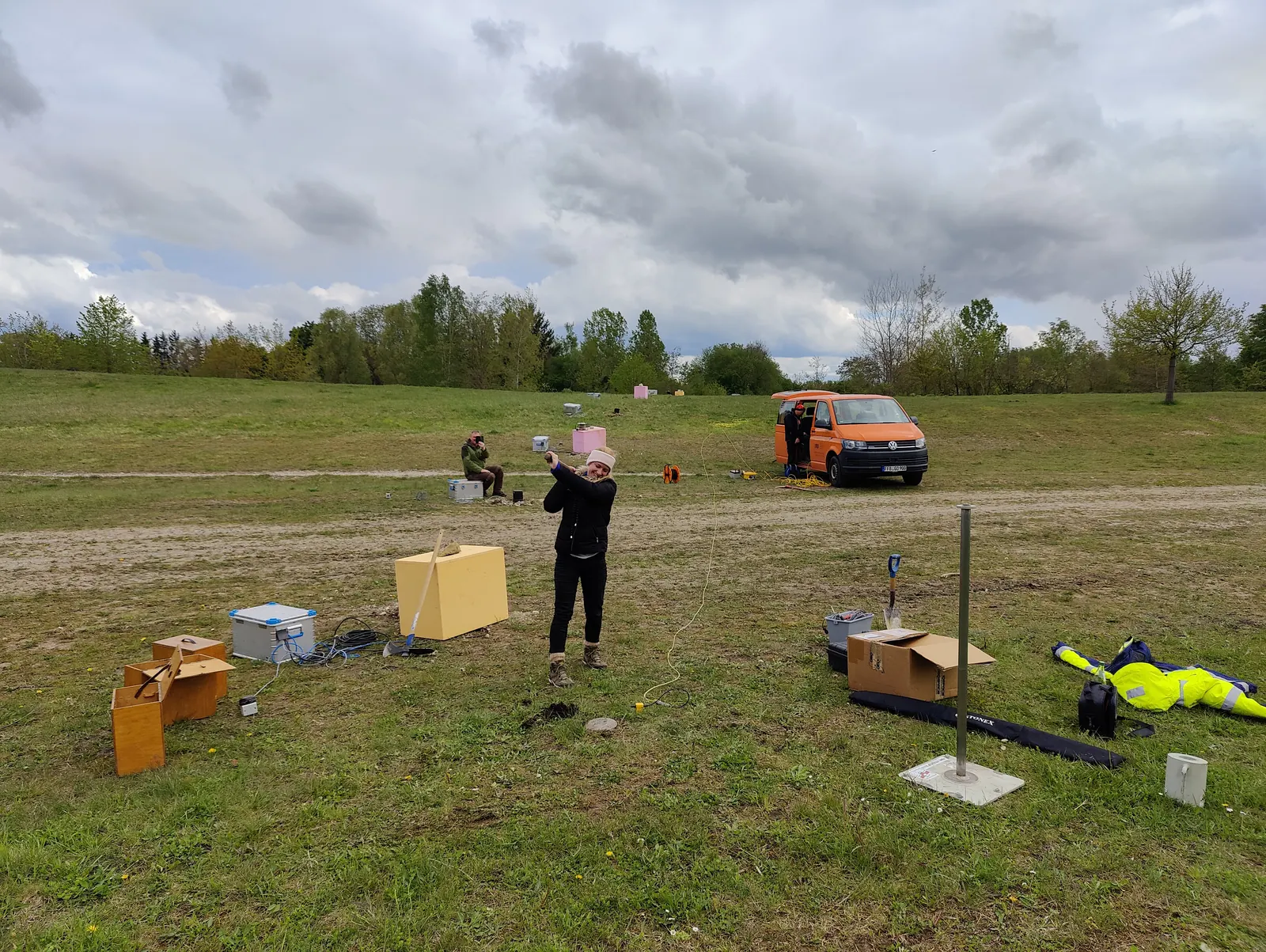
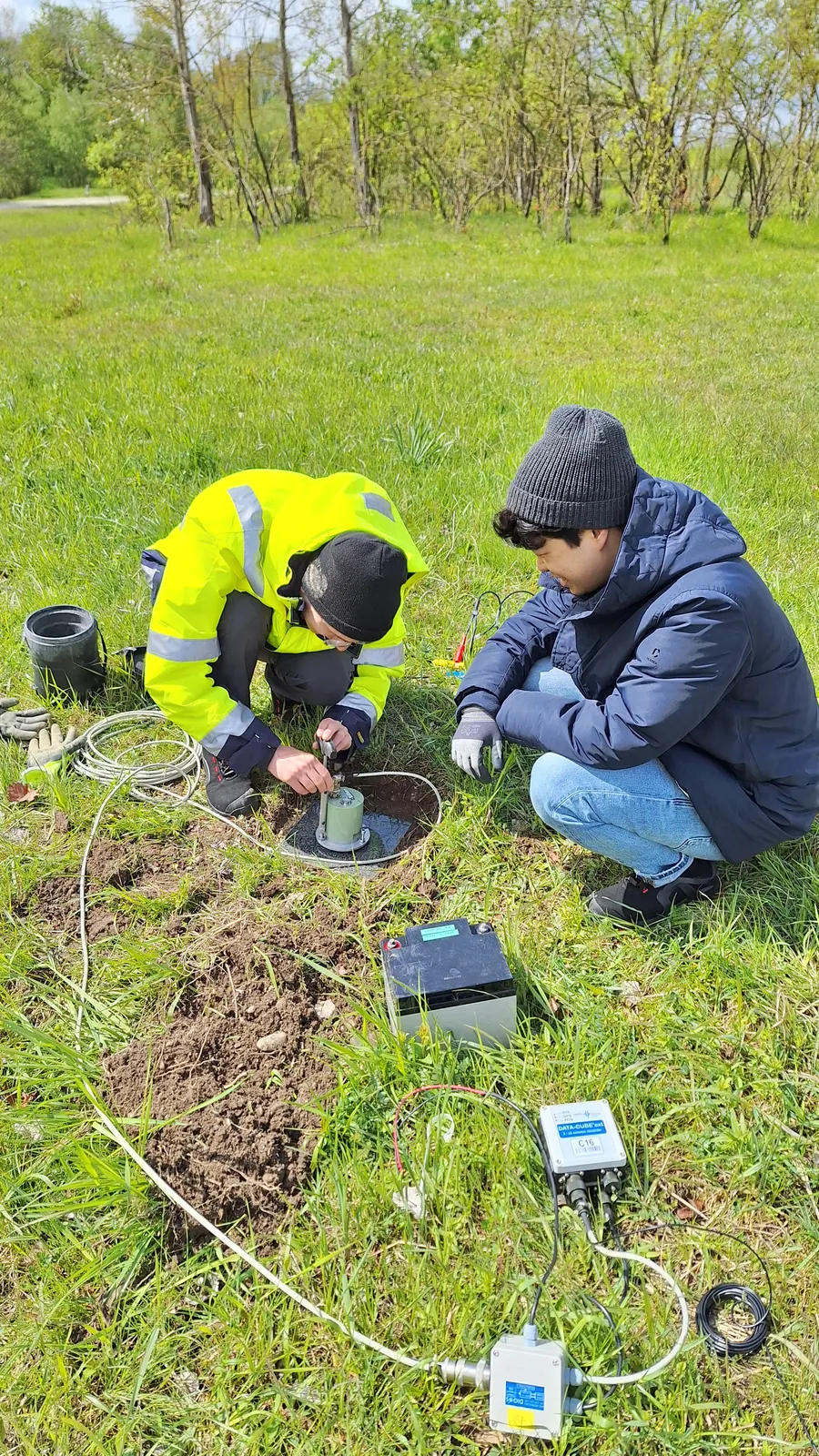
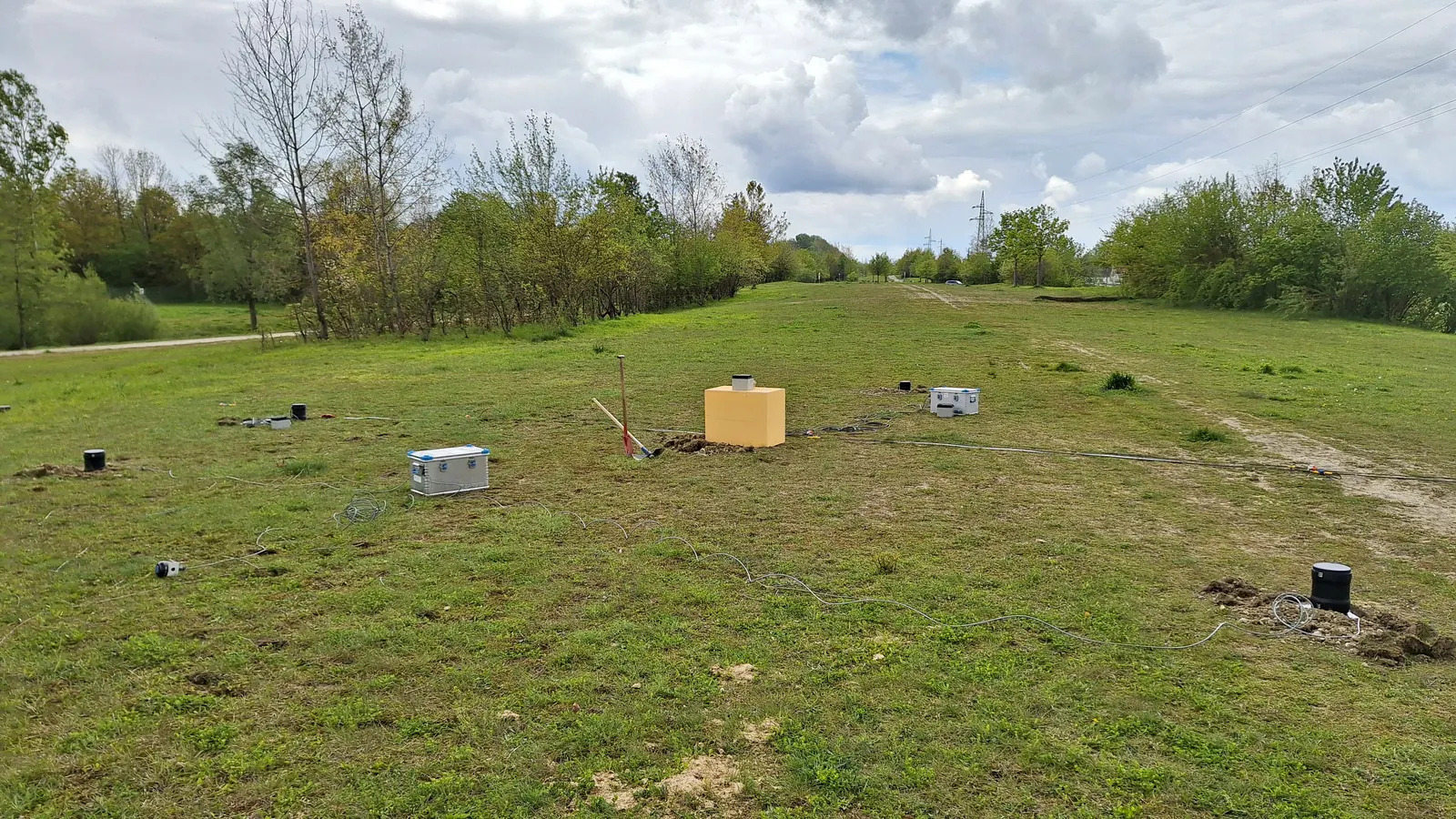
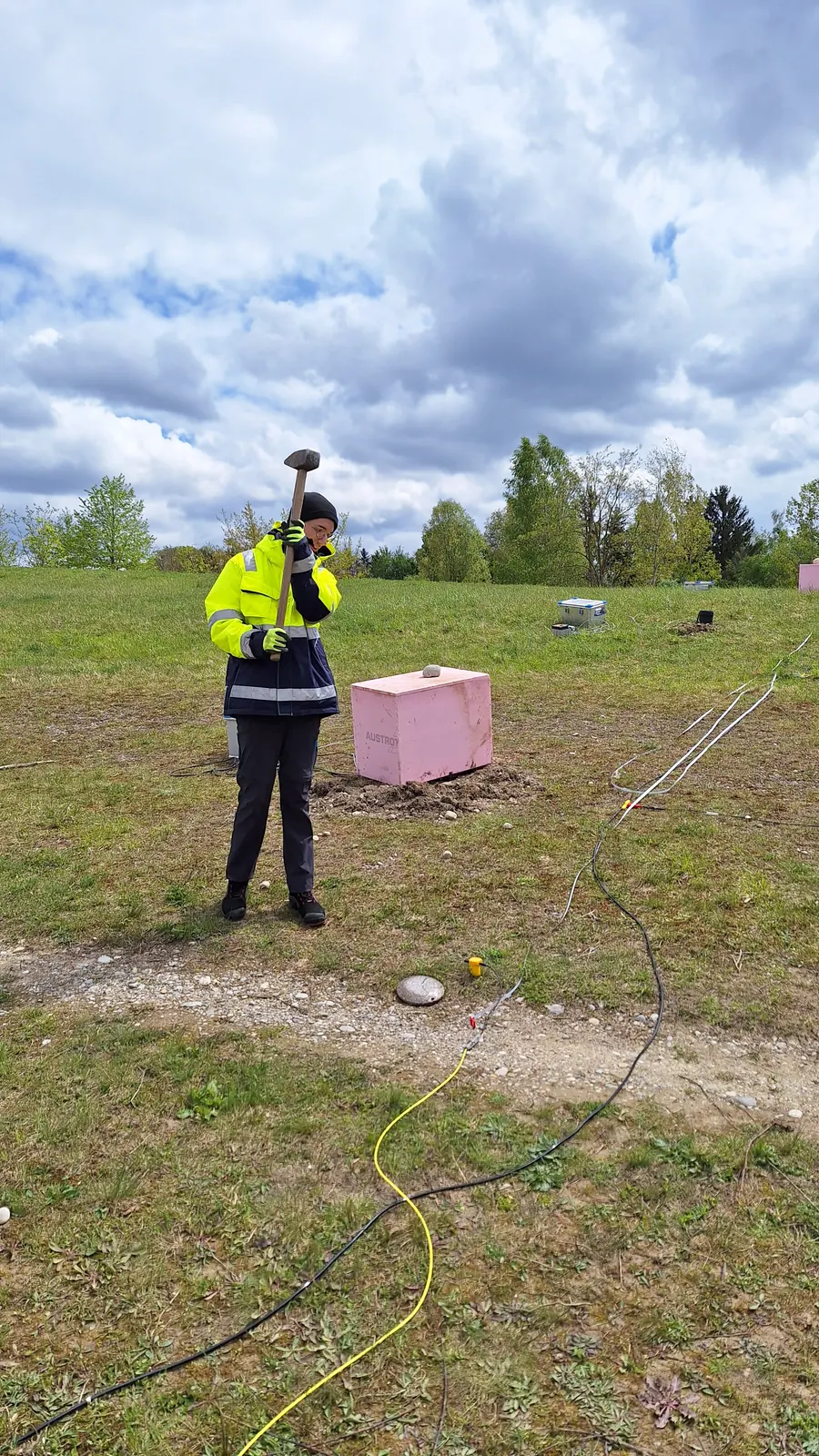
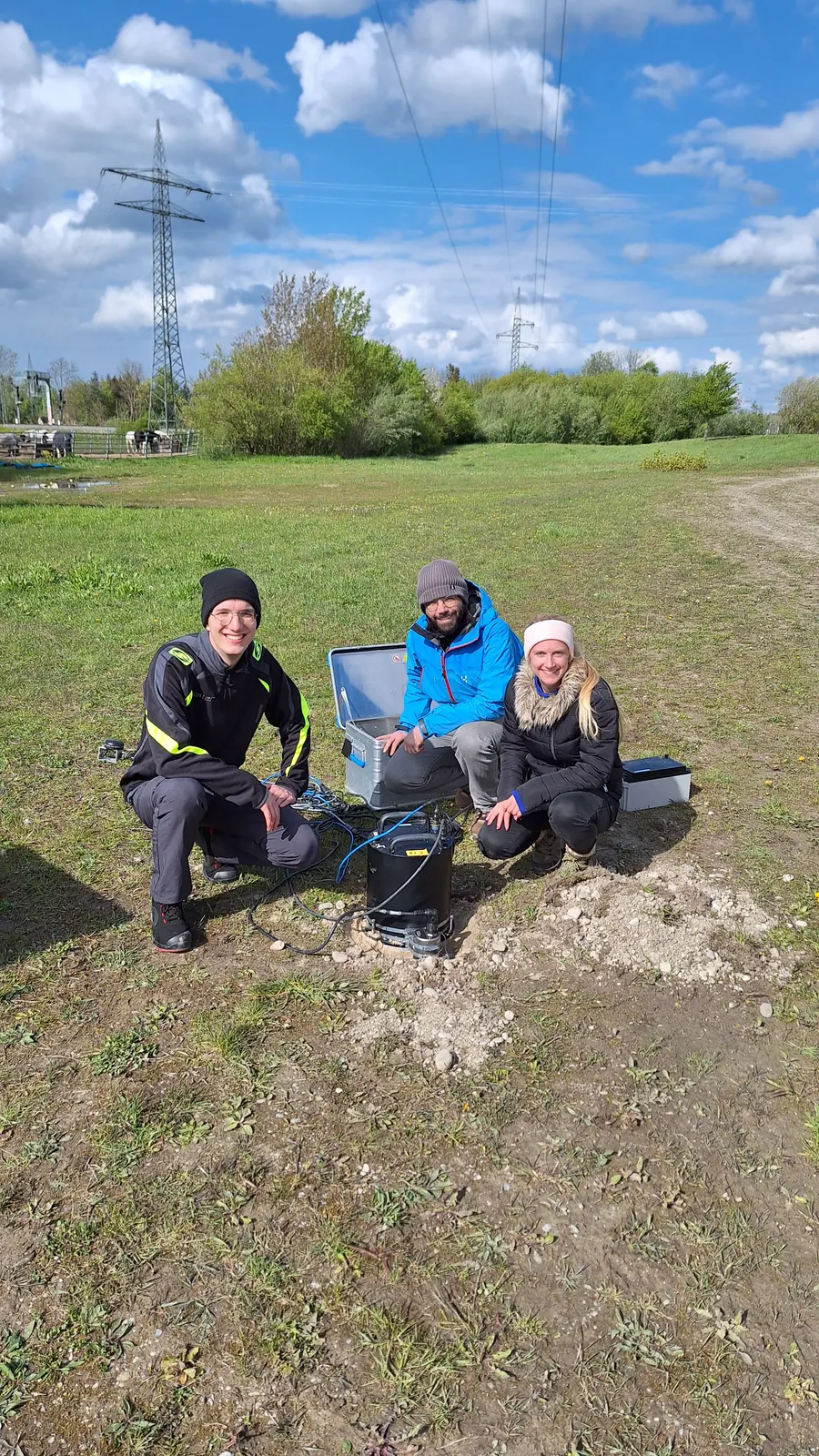
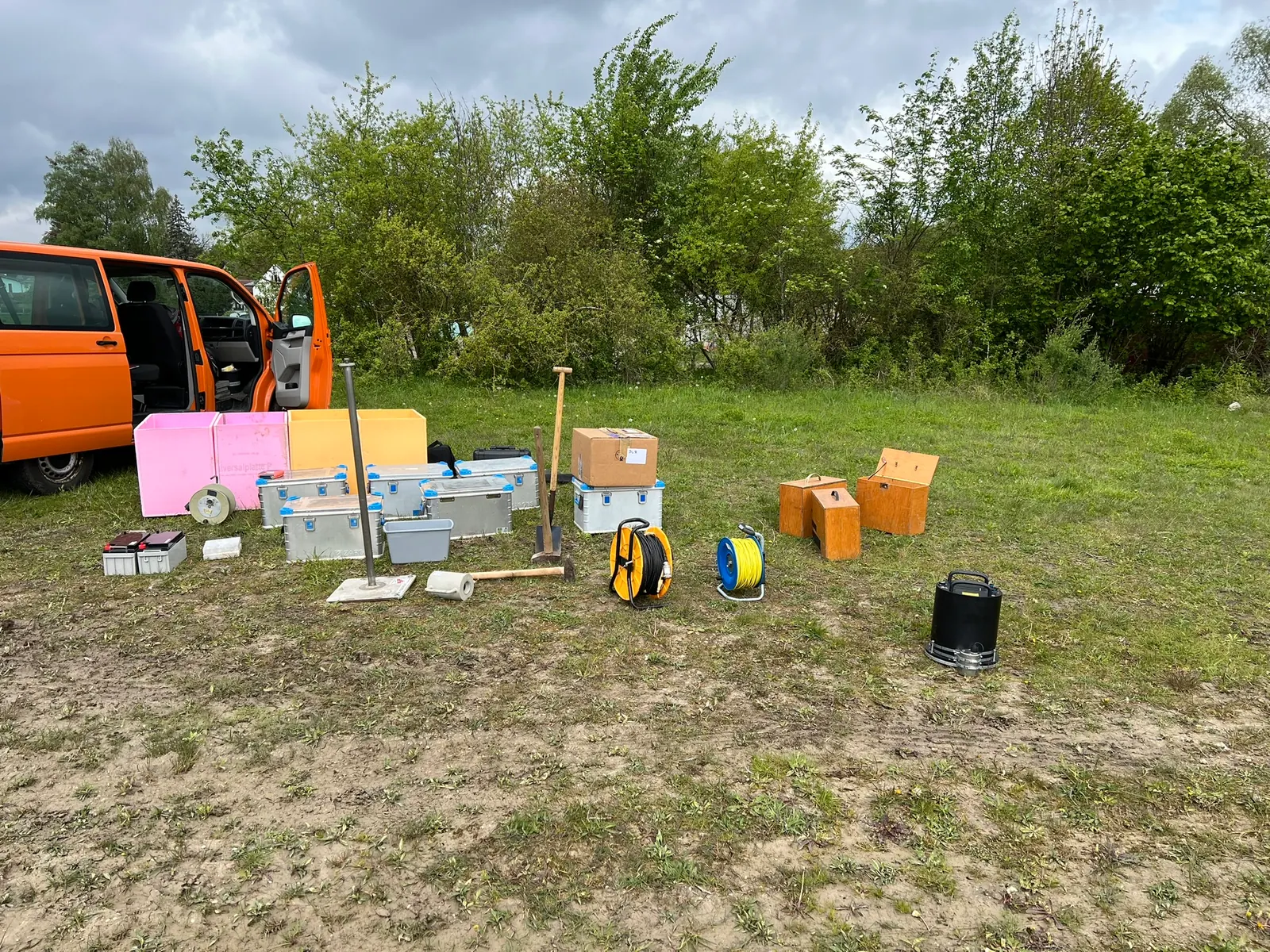
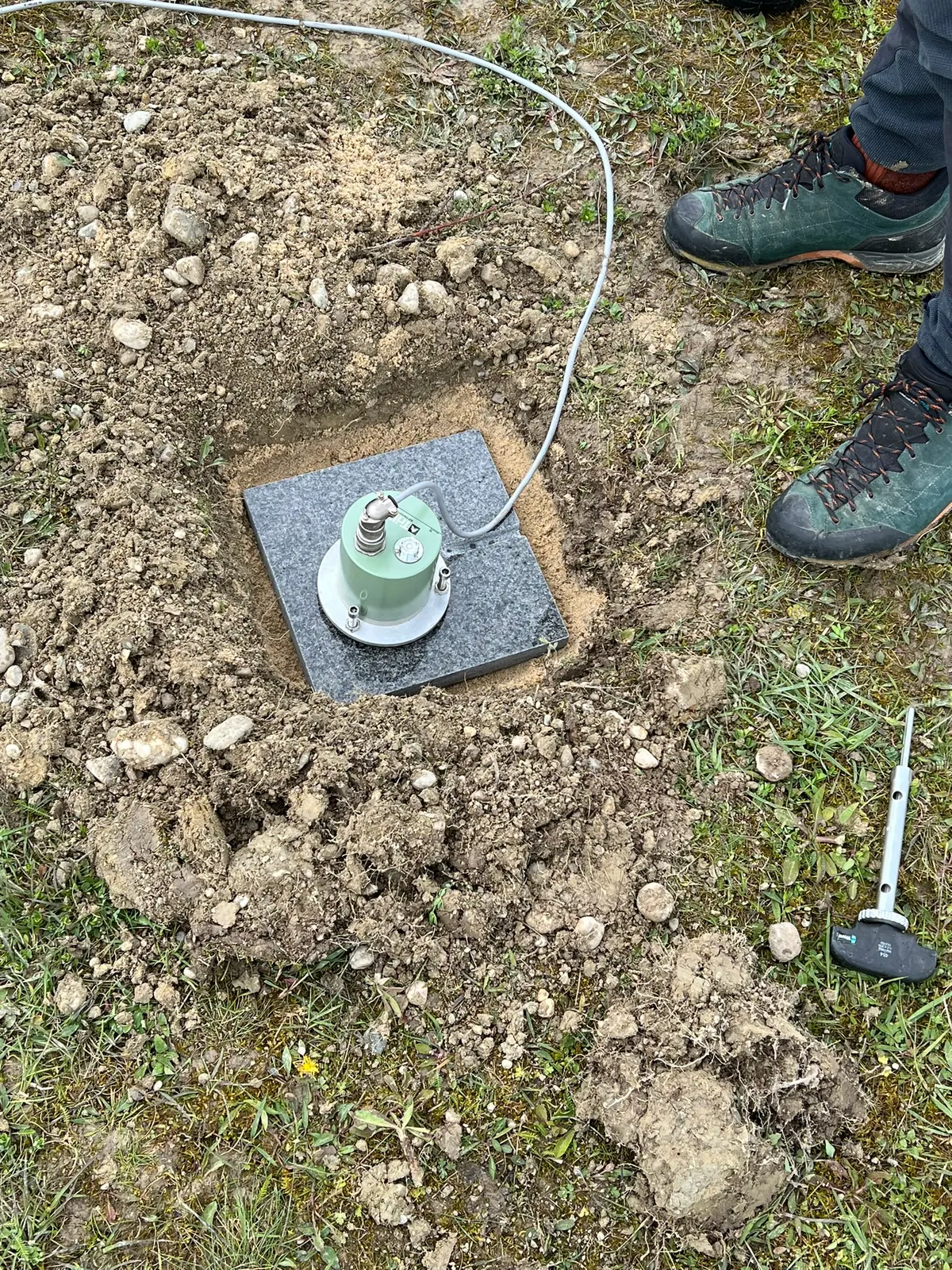
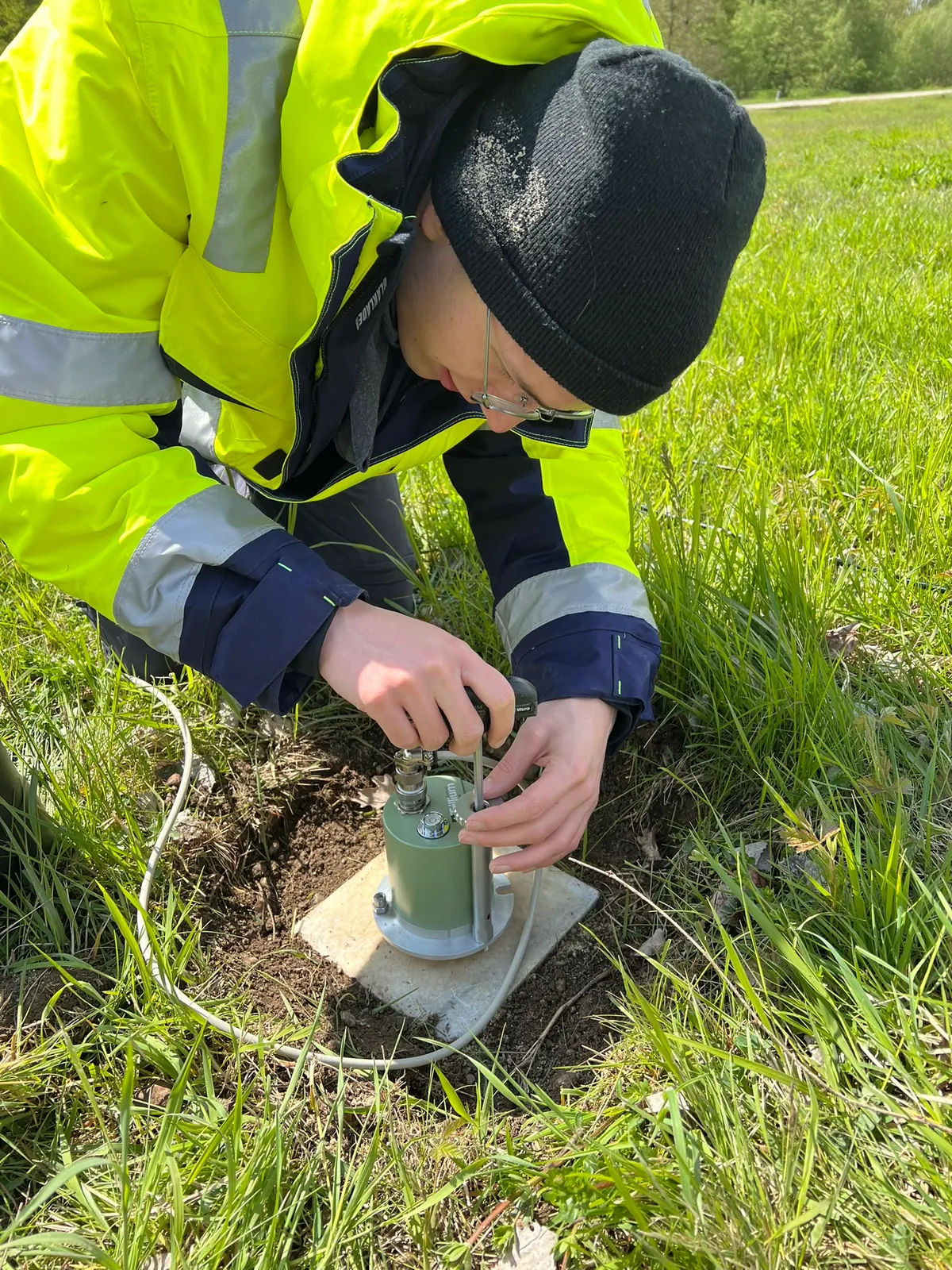
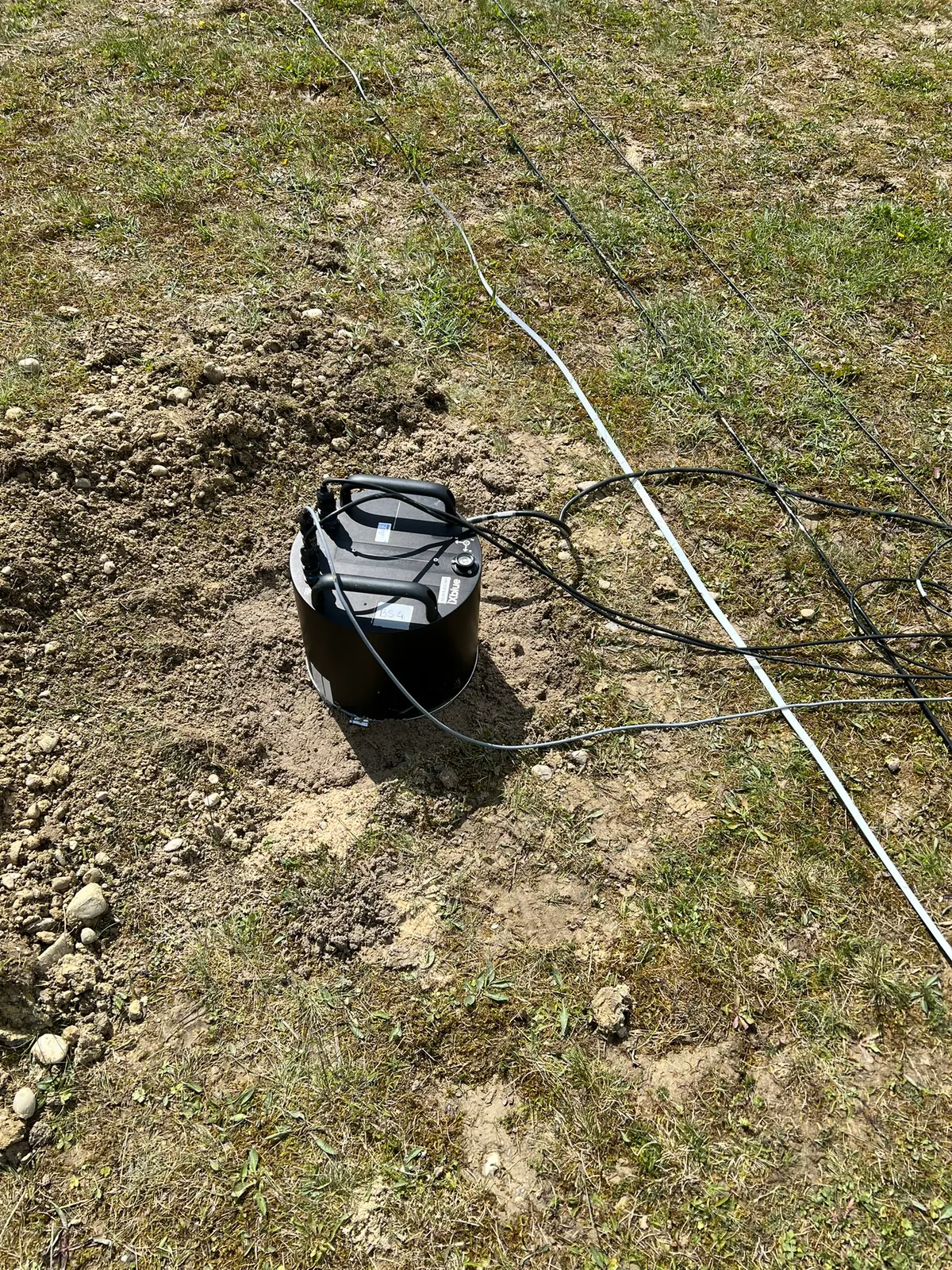
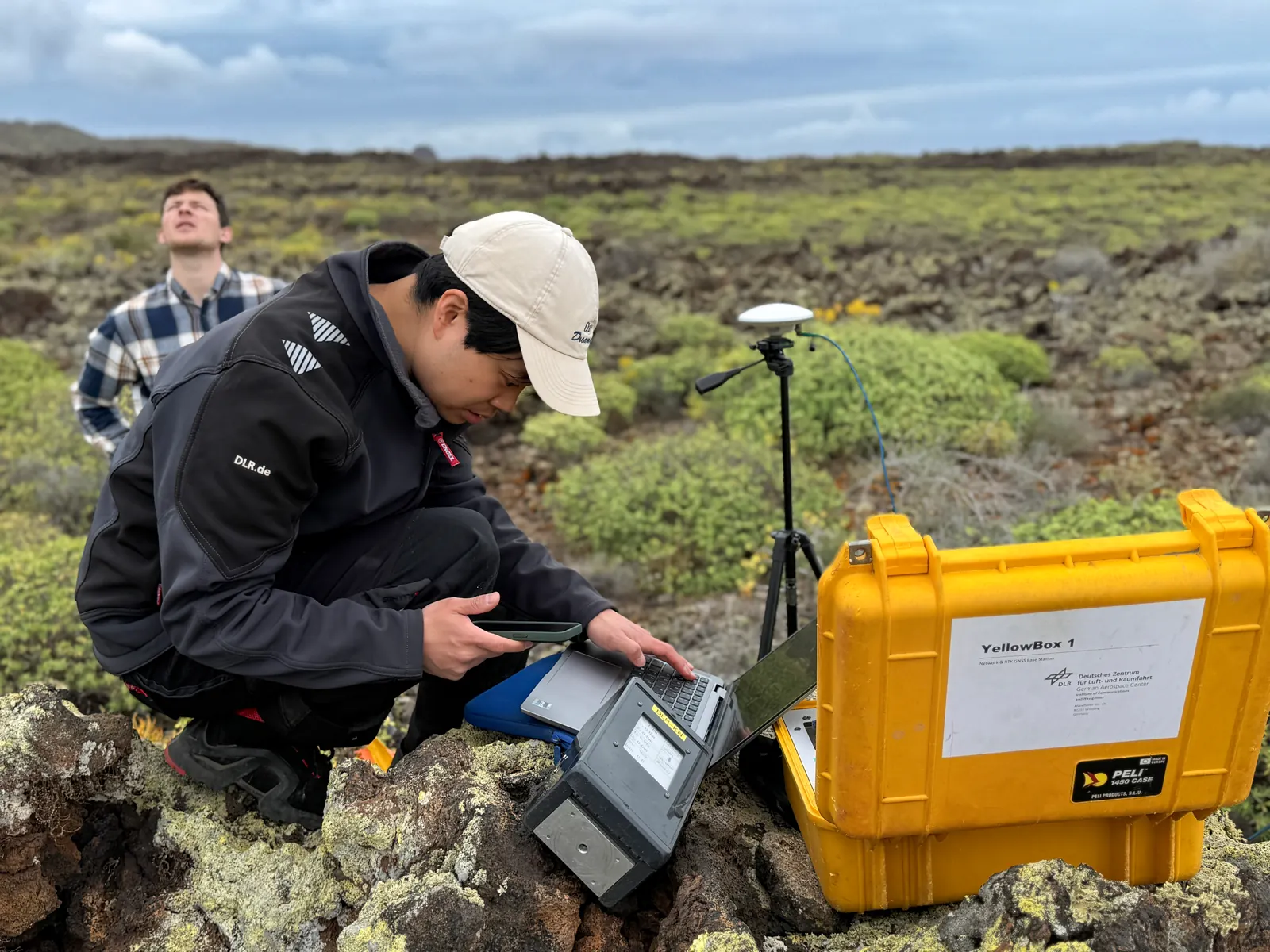
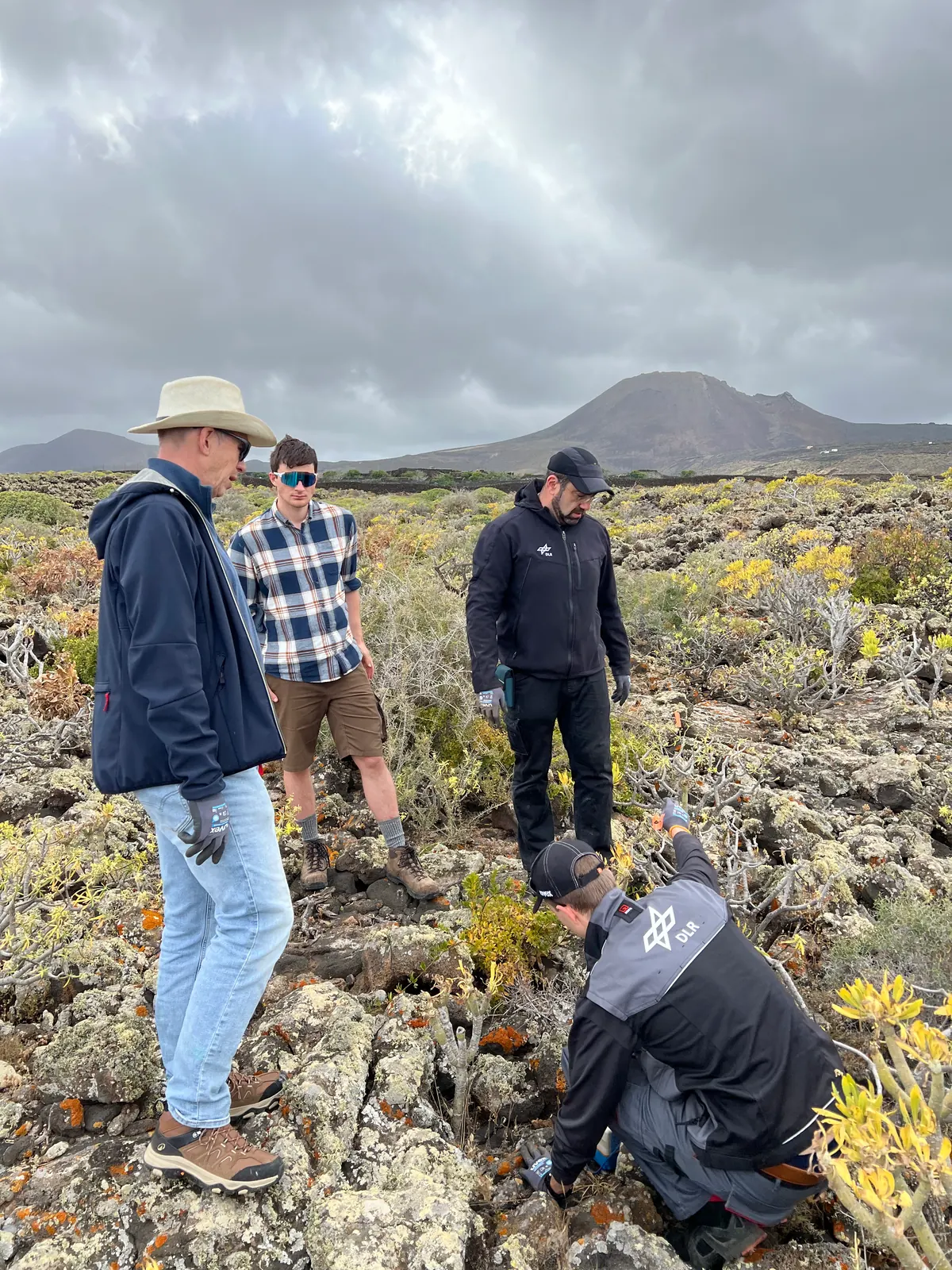
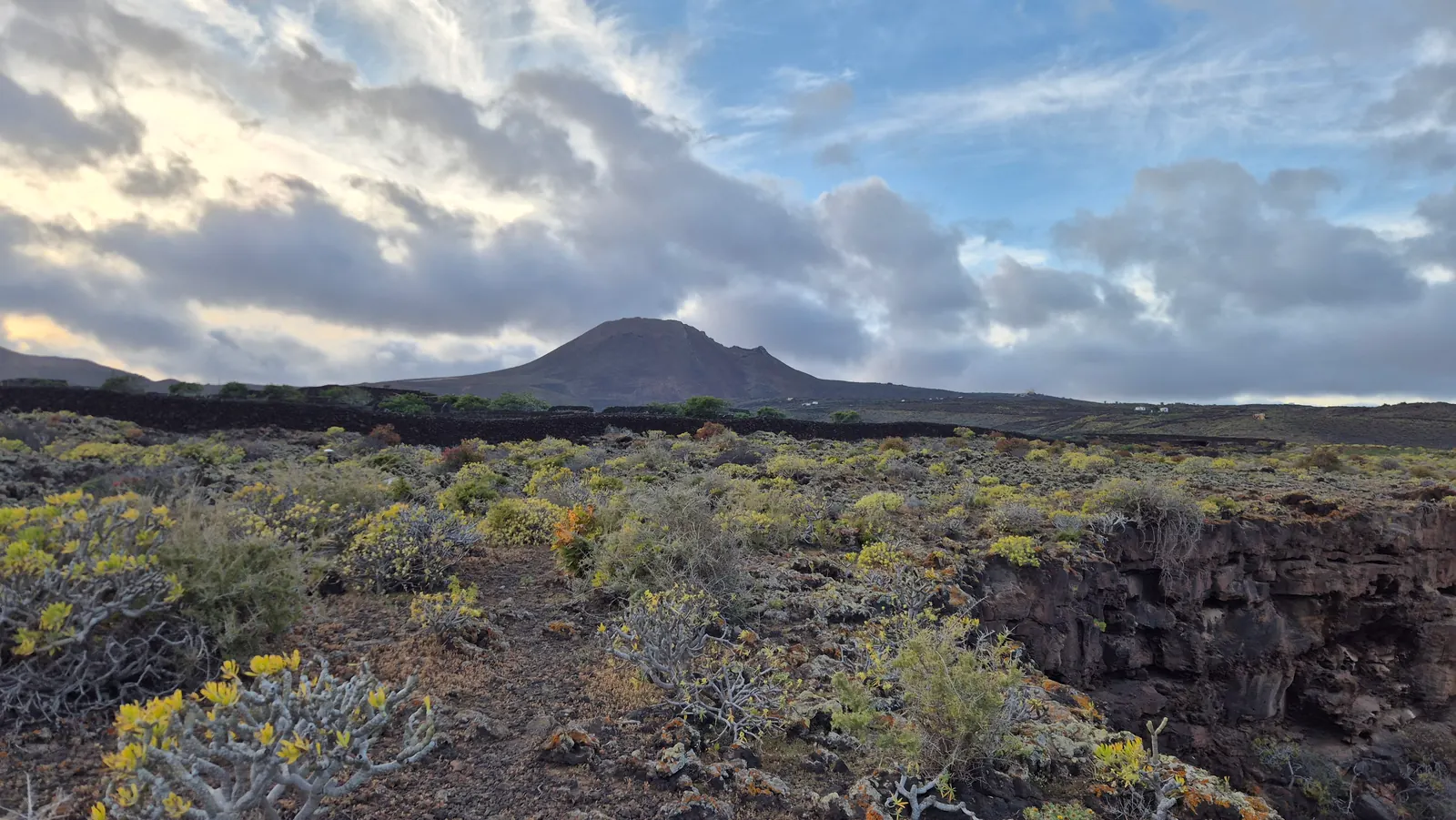
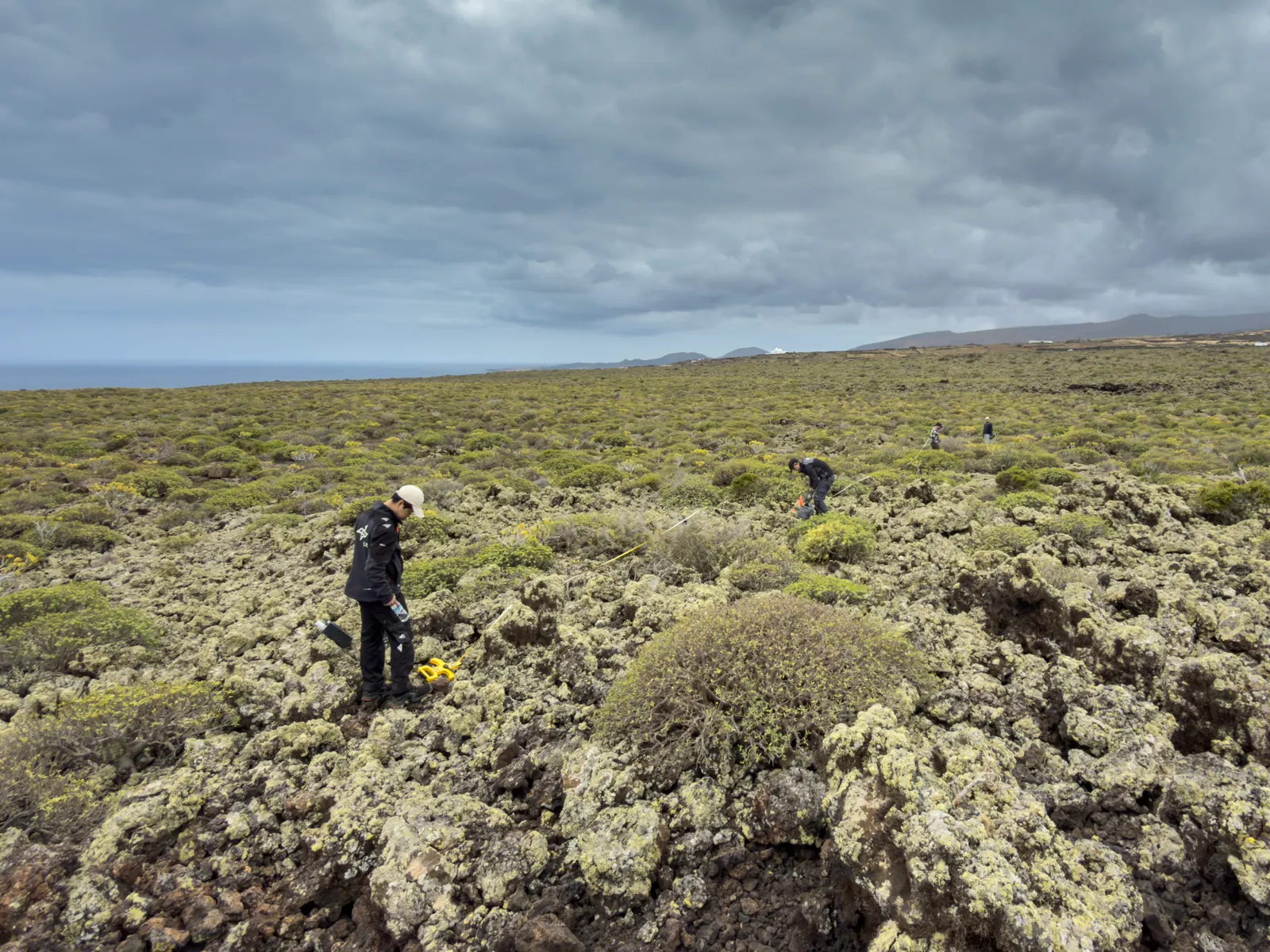
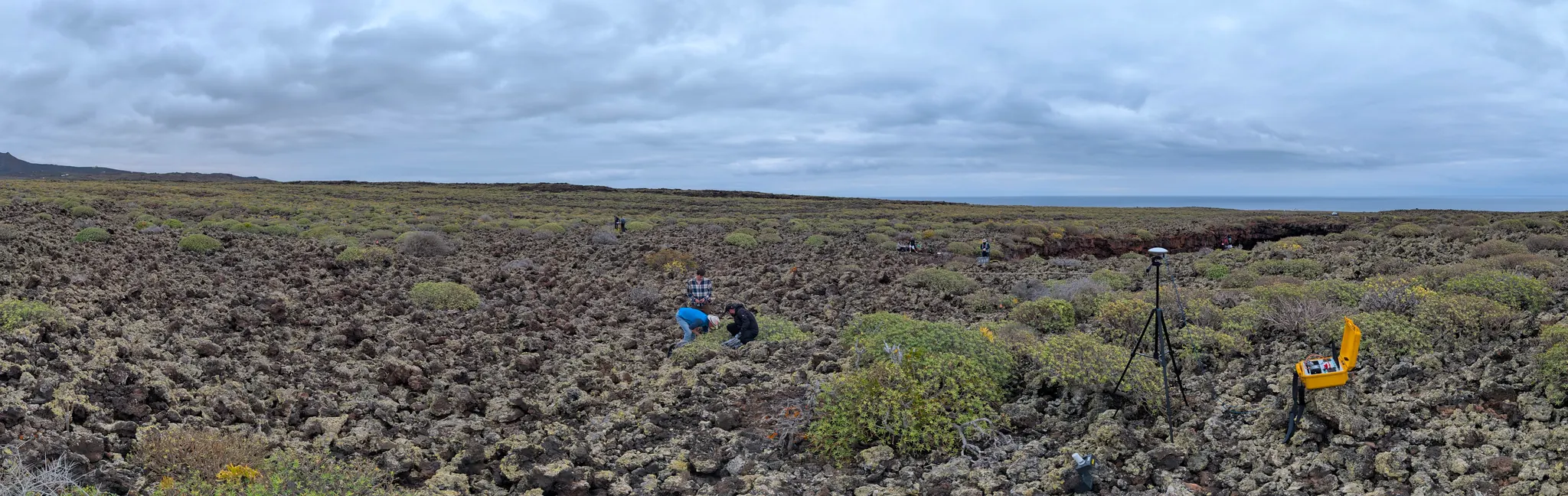
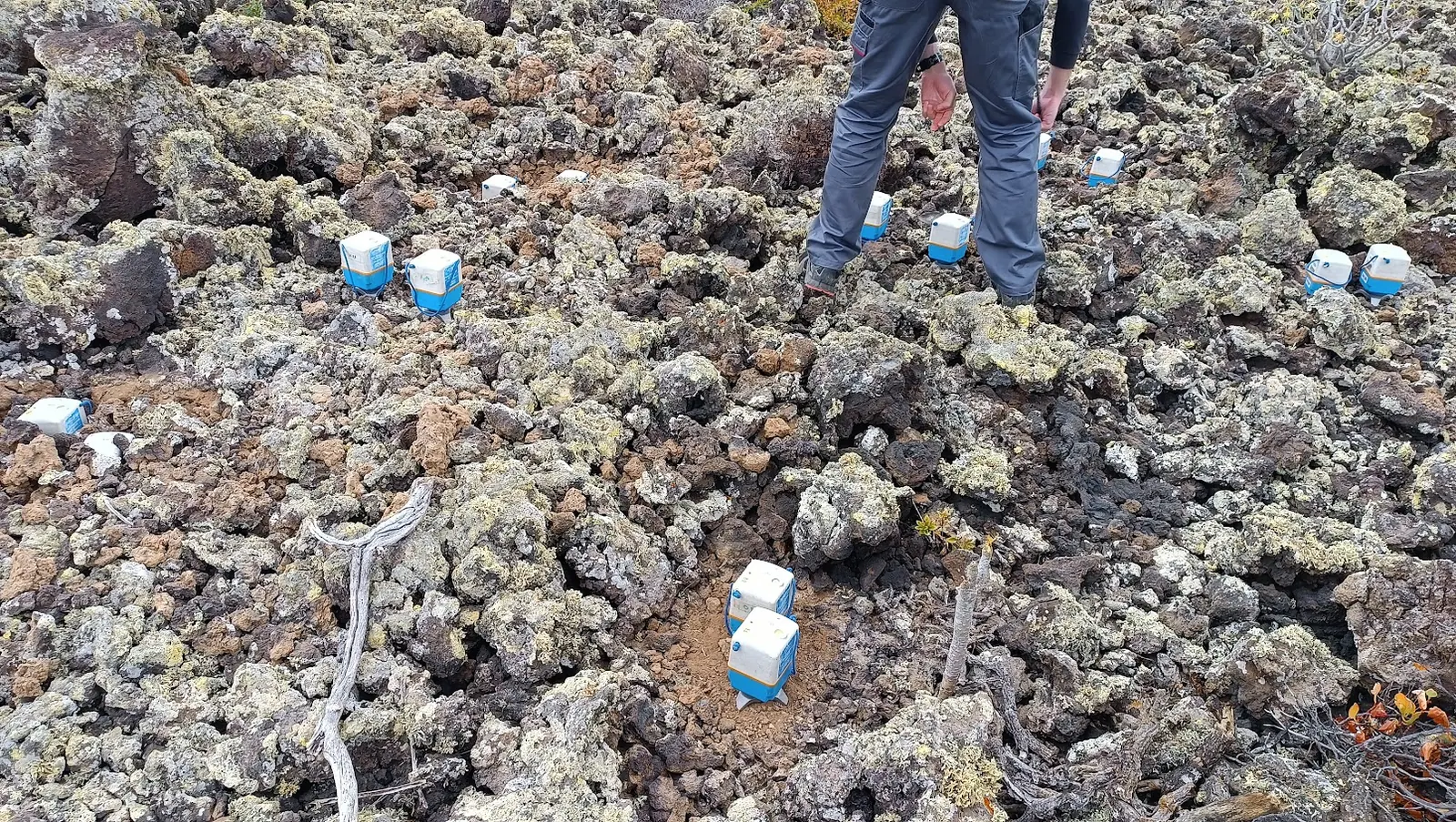
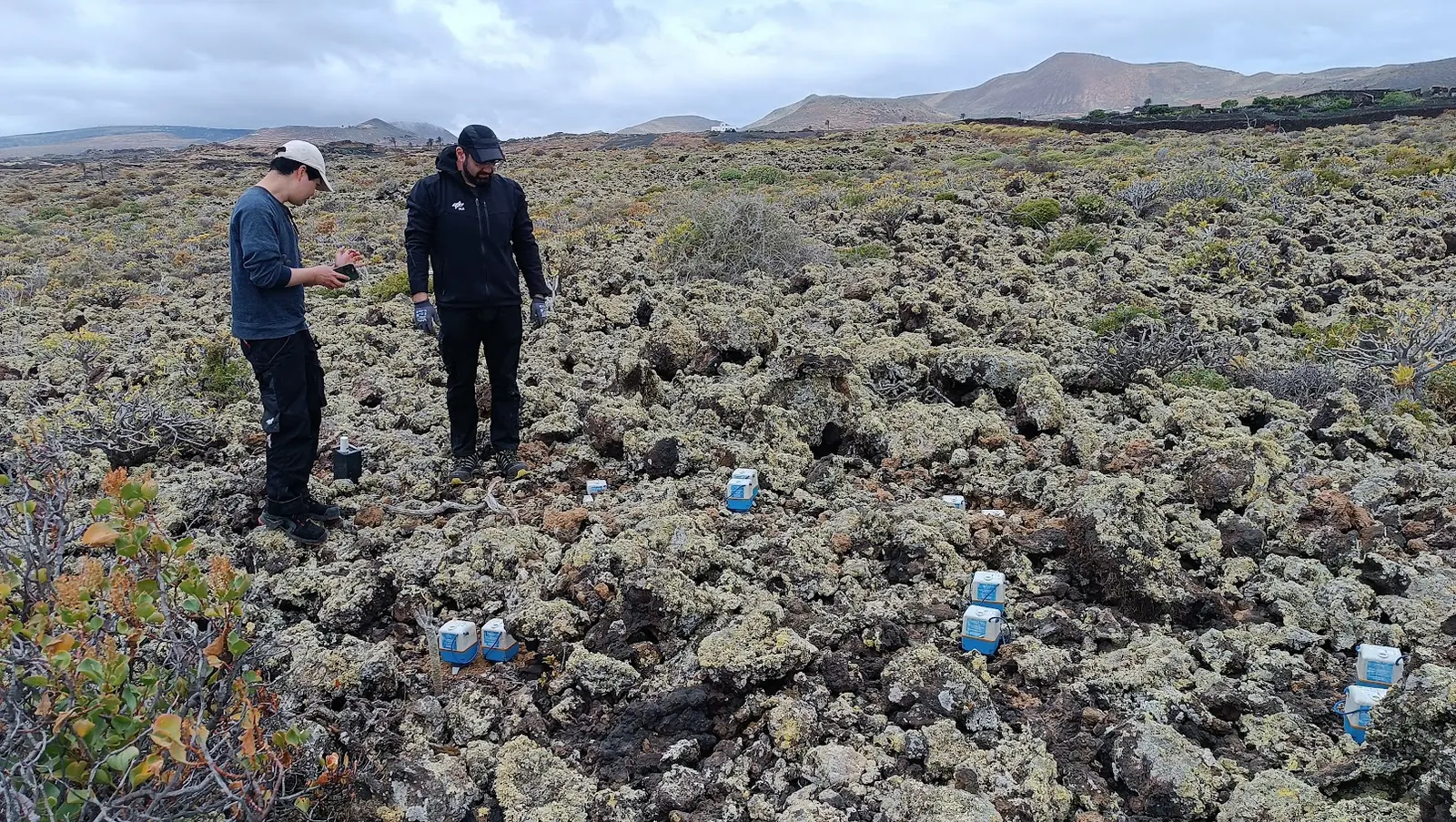
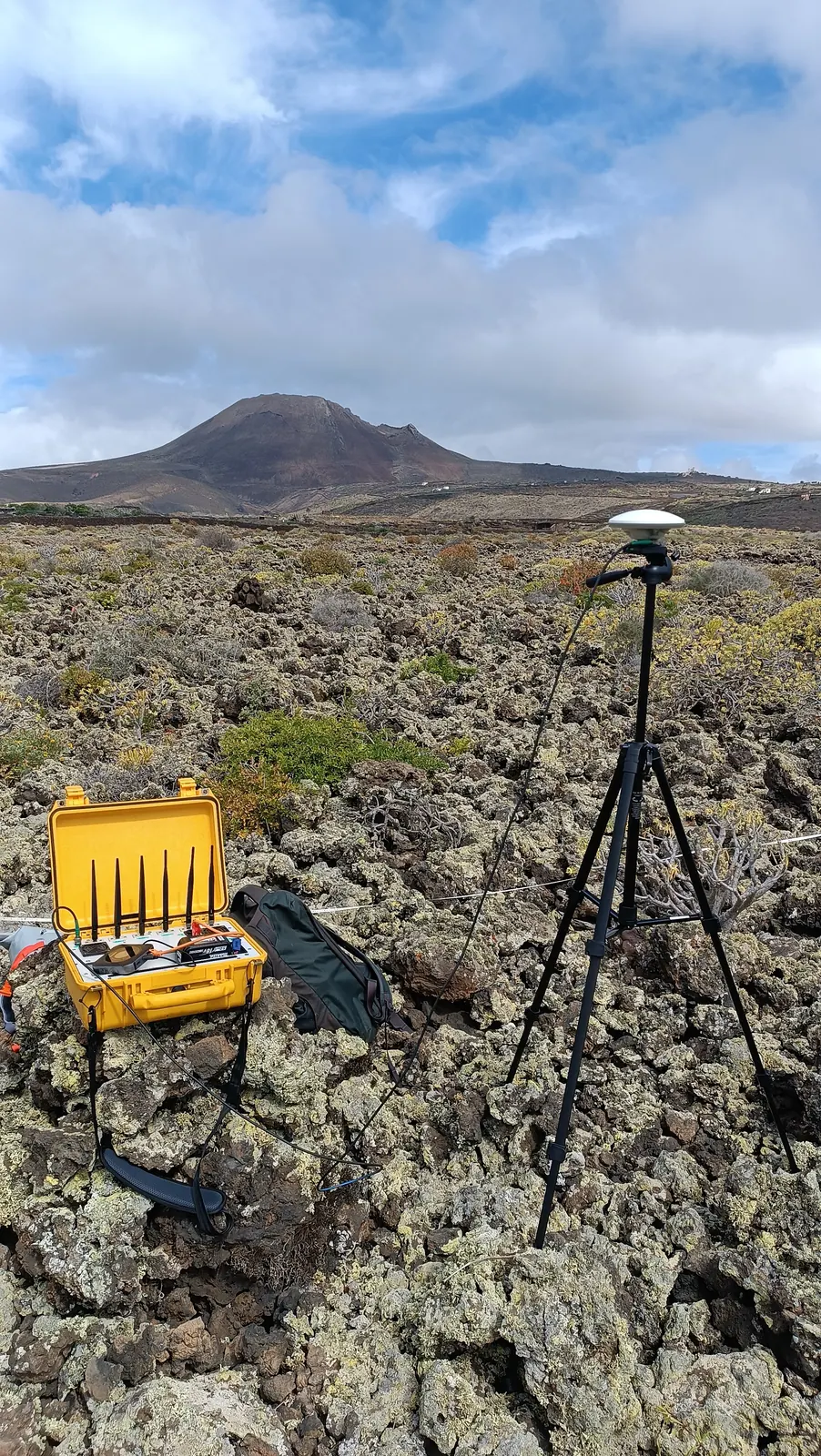
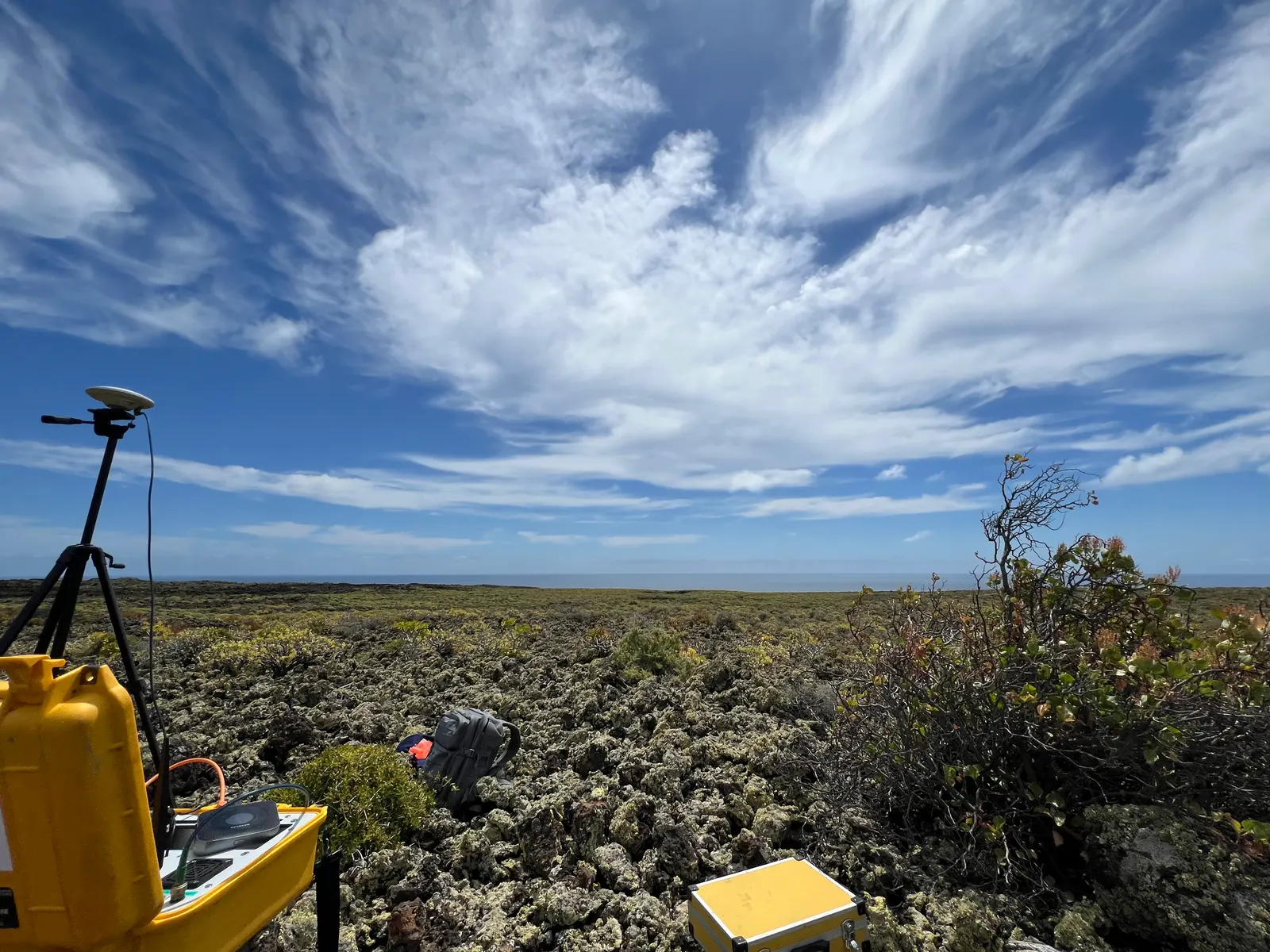
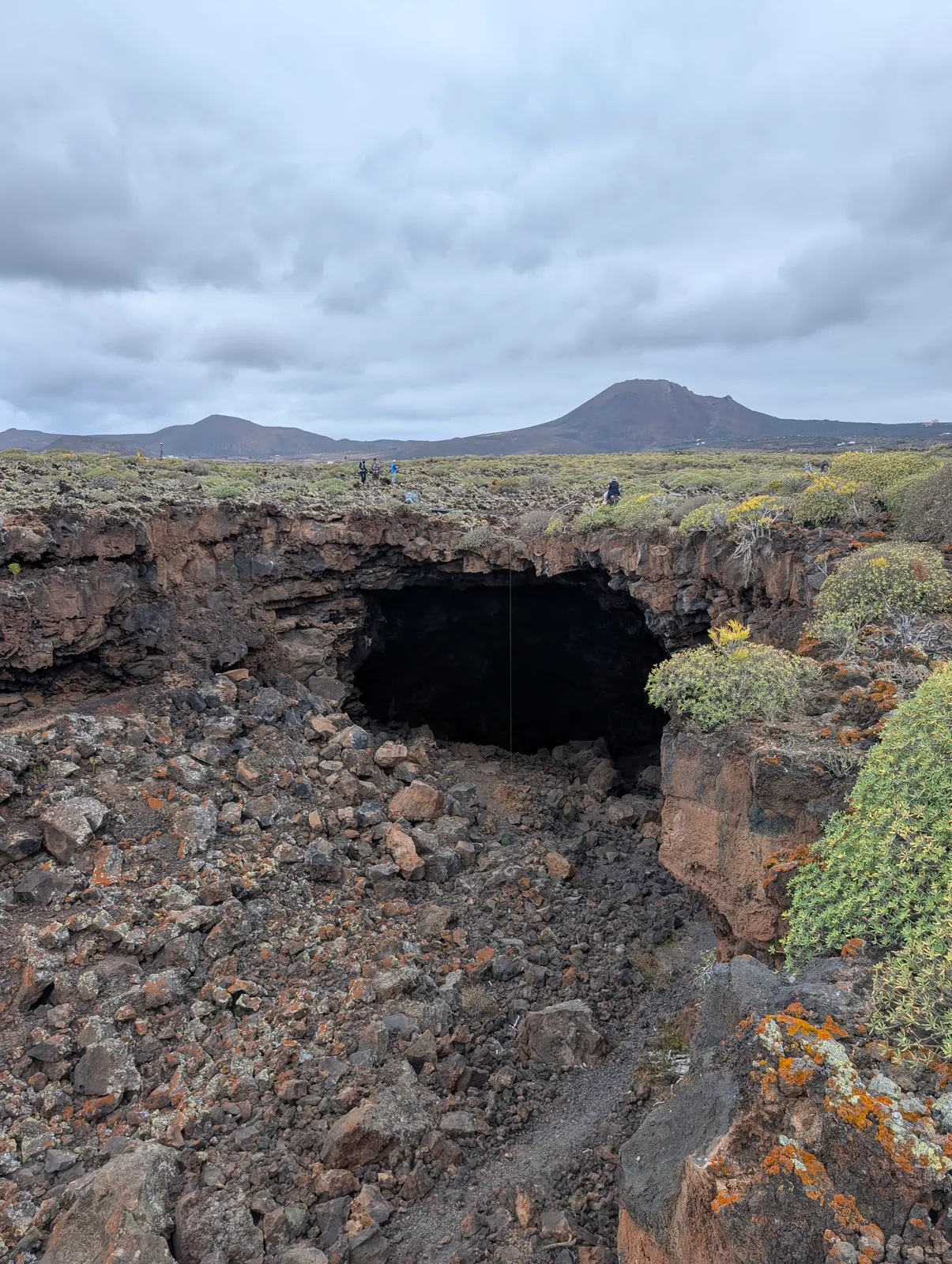
Investigating whether passive seismic methods can detect a large subsurface lava tube, using 14 sensors at more than 350 measurement locations.
Read about this campaign03 / Project updates
Research partners & funding